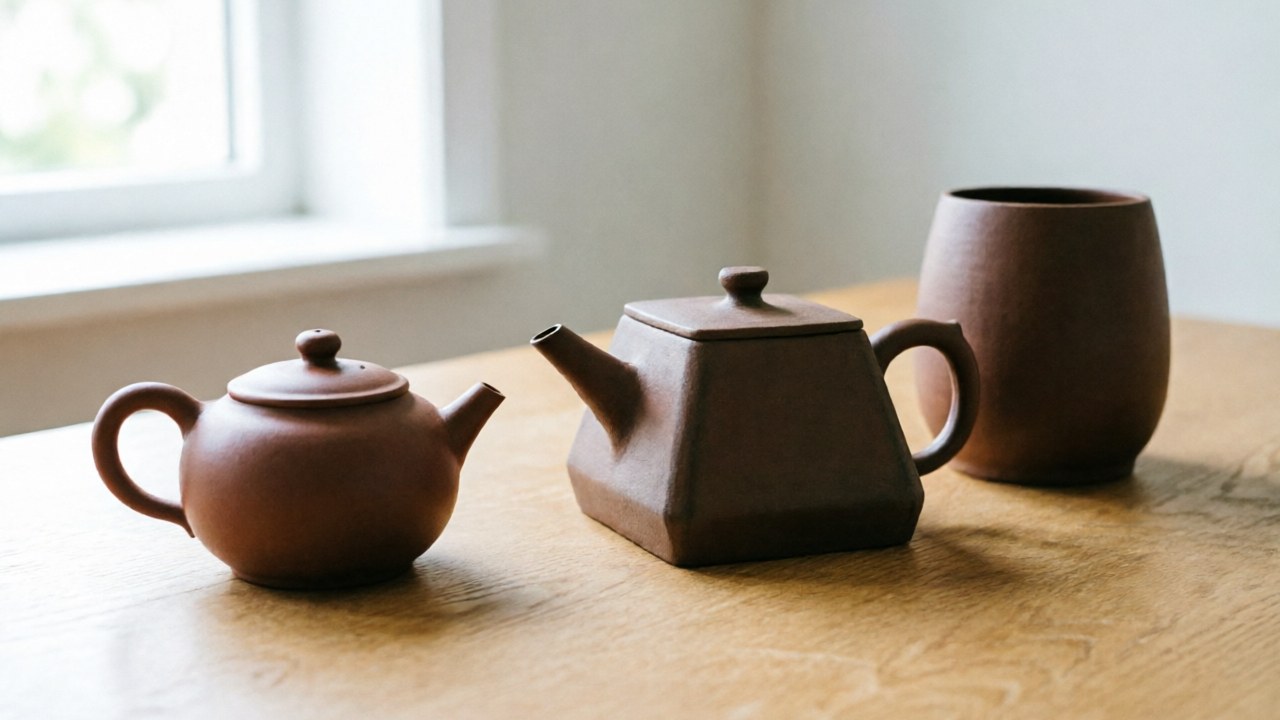
Classic Yixing forms are a silhouette language, not a shopping list. Before a second pot or a kiln pedigree rabbit hole, learn three study anchors — Xishi, Shipiao, Fanggu — by lid-to-body ratio, spout arc, handle void, and belly line. Name one form from a photo or shelf pot today; soft-link a vessel how-to-choose only when study becomes buying.
This page sits on the Fine vessels lane of Teaware — eye training first, not auction catalogs, not brand rankings, not a twenty-form dump.
Why Form Vocabulary Before a Second Pot
Appreciate work trains the eye on form, not on ranking purple clay or chasing estimates. Yixing ware (often called zisha) is an unglazed stoneware vessel tradition from Yixing, Jiangsu — a cultural line of pots, not a price chart [1]. Home students usually meet two bad maps: long catalogs that dump ten or twenty names and spark FOMO, and buy guides that skip silhouette grammar entirely.
The promise here is depth over dump. You’ll learn three anchors well — Xishi, Shipiao, Fanggu — with an optional one-line note on Duoqiu so the name doesn’t surprise you later. I’ve used the same three-form set for home shelf drills for years; it is enough for a season of looking.
This page is not a clay-pot buy decision (volume, one-pot-one-tea, clay path). It is not a gaiwan size and lid decision. It is not a rinse-and-store care SOP. Those rails open only after the eye can rest on a shape.
How to Read a Silhouette
A teapot silhouette is four lines you can name from a photo or a shelf pot [3]. No auction tips. No lab gear.
- Lid-to-body ratio — flat lid vs domed; lid button height vs body height.
- Spout arc — short and straight vs long and curved; where the stream leaves the lip.
- Handle void — loop size vs body mass; finger clearance.
- Belly line — round or pear (Xishi-family) vs trapezoid or ship (Shipiao) vs tall drum (Fanggu-family).
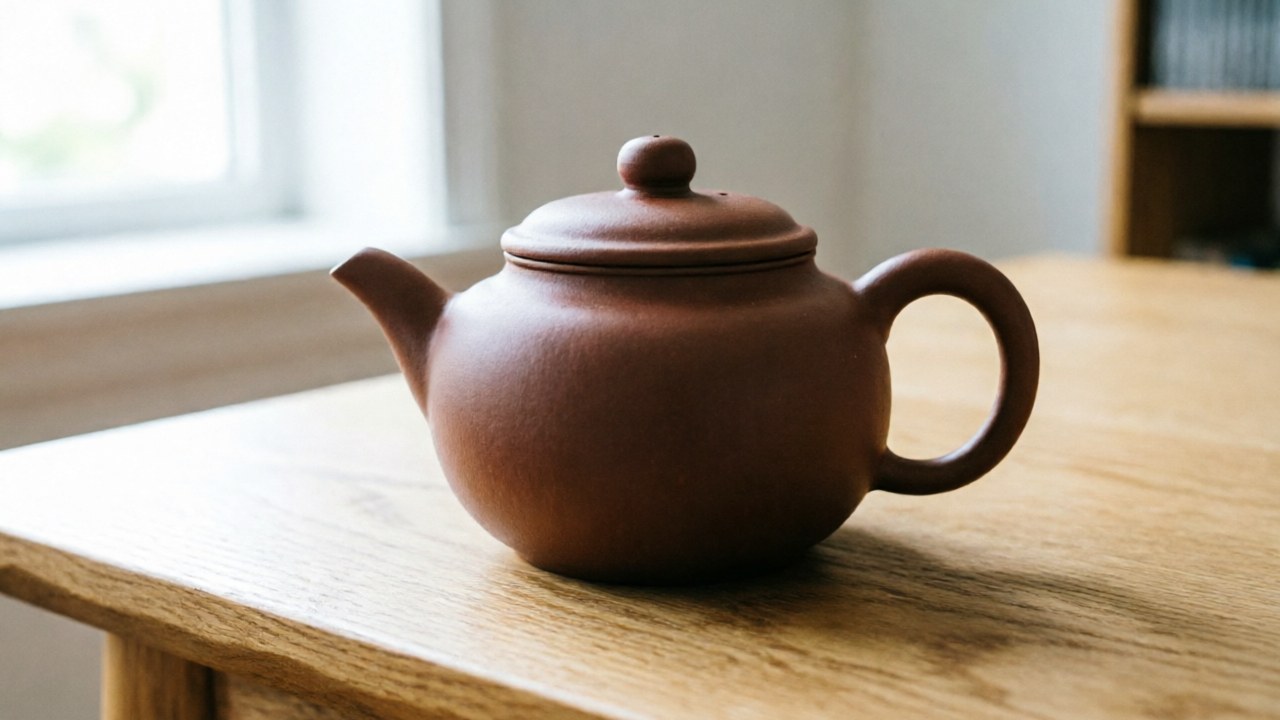
Profile drill (30 seconds)
Turn the pot to a pure side silhouette. Name one of the four lines first — not all four at once. Side-by-side photos are easier on a quiet tray; a wooden gongfu tea tray is a study surface, not a ranking prop.
What silhouette is not
Silhouette work is not a clay authenticity lab. It is not kiln pedigree. It is not “which brand is real.” Those questions belong elsewhere. For calm reading context while you train the eye, soft companions help: The Ancient Art of Tea for masters’ tone, and The Story of Tea for broader cultural history — culture, not catalog.
Three Study Anchors — Xishi · Shipiao · Fanggu
Depth over dump. Three forms, studied as silhouettes. Optional Duoqiu is a name recognizer only — not a fifth shopping slot.
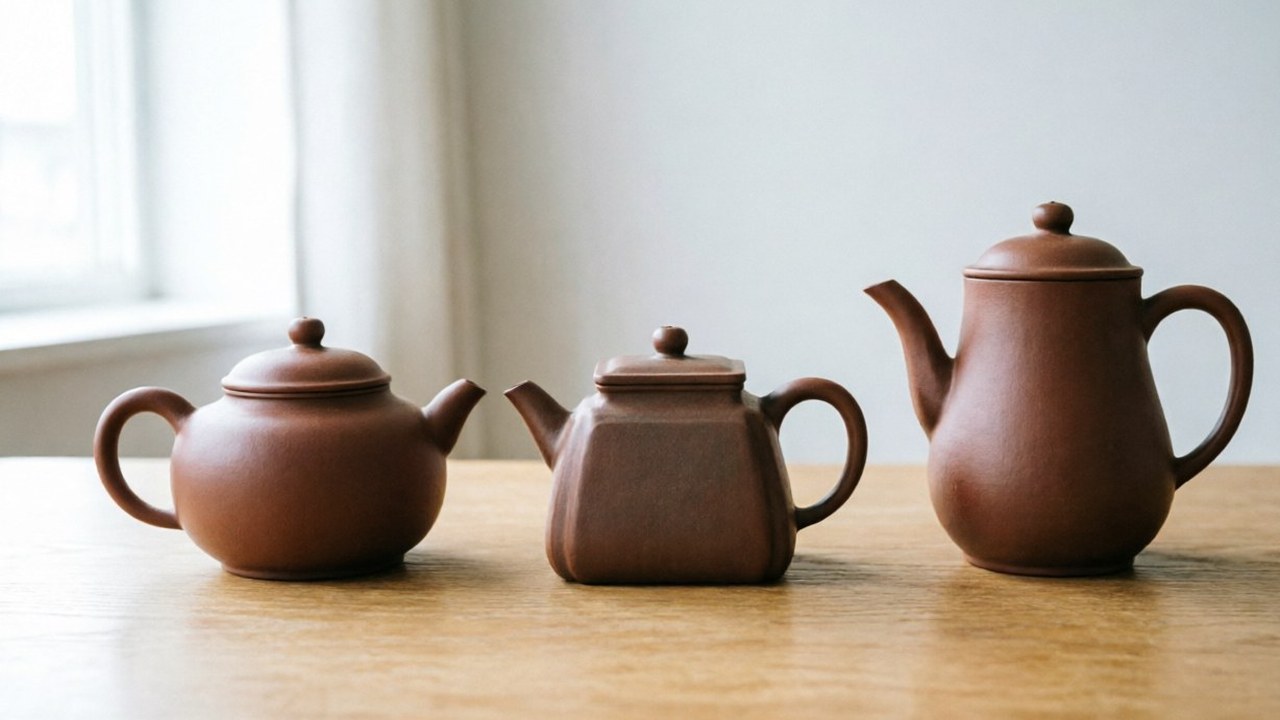
Xishi (西施) — rounded belly, short spout
Silhouette: pear or round body, soft shoulder, short spout, modest handle void. Eye cue: full belly + quiet lid. A clear modern study body such as the YXHUPOT Zini Xishi 180ml is enough for eye training — form study, not “best pot.” Round-body profiles often feel gentler in the stream; that is observation for the next section, not a clay grade claim.
Shipiao (石瓢) — stone dipper / trapezoid
Silhouette: flat lid, trapezoid body, assertive spout line, stable base. Eye cue: lid flat, walls lean, base firm. The YXHUPOT ShiPiao Style Zisha Teapot gives a clean stone-dipper profile for side-view drills.
Fanggu (仿古) — archaize / taller drum
Silhouette: taller drum body, lid button proportion, more vertical presence. Eye cue: height first, then lid button. The Yxhupot Archaize Fanggu Zisha Teapot is a study silhouette for that taller drum language — again form study, not a winner list.
Optional fourth recognizer — Duoqiu
If you see stacked spheres, you can name Duoqiu later. Keep the study set at three anchors; don’t expand this page into a form encyclopedia.
| Form | Lid cue | Body cue | Soft study role |
|---|---|---|---|
| Xishi | quiet / modest dome | round / pear belly | form-study-xishi |
| Shipiao | flat | trapezoid / dipper | form-study-shipiao |
| Fanggu | button + height | tall drum | form-study-fanggu |
Pour Character by Form (Observation Only)
Flat Shipiao, round Xishi, and tall Fanggu differ in stream feel and table presence — not in a clay-grade debate. Use a simple observation protocol: same leaf, same water heat band, same pour height into a fairness cup; note stream continuity and how even the cups taste [2].
Tools for observation stay soft. A JIUMEI glass cha-hai shows liquor color and equalizes strength independent of pot form. Small porcelain tasting cups let you taste after you name the form. A neutral compare body such as the YULONGSHENG handmade Yixing clay teapot is useful after naming — not as a “winner.”

This section is not an authenticity lab and not a “which clay is real” rabbit hole. For multi-cup tasting setup after form study, open teaware for tasting.
One Observable Detail Today
Home student checklist — no auction:
- Pick one pot photo or one shelf pot.
- Name one line first (lid / spout / handle void / belly).
- Assign to Xishi · Shipiao · Fanggu · or “other — learn later.”
- Optional: write one sentence — “I see ___ because ___.”
- Optional: shoot a side profile on the study tray.
When the shelf grows noisy, reduce tool count with a personal teaware system. Surface sheen can change with use — that is observation only, not a care SOP. If you later ask how to rinse, dry, and store, open teaware care; don’t let care replace form study as the main axis.
Study Kit Soft Links (Not a Ranking)
Appreciate allows soft study SKUs: form-study vessels, books, tray, and pour companions. No top-ten purple-clay list. Roles only:
| Role | Why it sits here | Soft link |
|---|---|---|
| Xishi study silhouette | round belly eye train | Xishi form study |
| Shipiao study silhouette | flat lid / trapezoid | Shipiao form study |
| Fanggu study silhouette | tall drum | Fanggu form study |
| Neutral compare pot | pour/feel after naming | study compare pot |
| Study tray | rinse + side-by-side photos | gongfu tea tray |
| Culture book A | masters context | Ancient Art of Tea |
| Culture book B | broader tea history | Story of Tea |
| Cha-hai | pour observation | glass cha-hai |
| Tasting cups | taste after naming form | tasting cups |
These are study companions. They don’t rank clay brands or auction houses.
When Study Becomes Buying
When you only need a daily open-bowl pour tool, use how to choose a gaiwan for size, lid fit, and porcelain-first paths. When you want a clay pot buy decision (volume, one-pot-one-tea, clay path), use a dedicated Yixing how-to-choose once it is live — .
If you’re building a few-tools system, return to the personal teaware system. If multi-cup tasting setup matters more than clay pedigree, stay on teaware for tasting. A later compare of Yixing vs gaiwan belongs on its own page — .
Sister Appreciate cards (jianzhan, chawan lineage, gaiwan history) are planned for the same Fine vessels lane — · · . Hub back always works: Fine vessels.
Path Rails — Where This Page Sits
This is the first live card on Fine vessels under Teaware. Soft live rails only: gaiwan how-to-choose, personal system, tasting, care, and the vessel tree entry at teaware for beginners. Matcha is a different job — if you only want a whisk kit, go to matcha tools, not Yixing form study. Leaf, temp, and time classroom lives at how to brew tea — not ceremony theater.
Planned only (no live URL invent): Yixing how-to-choose · Yixing vs gaiwan · sister Appreciate cards. Content graph feeds Fine vessels; don’t invent Planned UI on the hub.
Clay Type Guide: Zini, Zhuni, and Duanni
The clay determines how a Yixing pot ages. Three main types:
| Clay | Color (raw) | Color (fired) | Patina behavior | Best for |
|---|---|---|---|---|
| Zini (purple clay) | Grayish-purple | Dark brown / purple | Develops a soft sheen after months of use; absorbs oil from handling | Oolong, pu-erh |
| Zhuni (red clay) | Yellowish-orange | Bright orange-red | Shrinks significantly during firing; higher pitch when tapped; smoother surface | Lighter oolongs, red tea |
| Duanni (segmented clay) | Buff / beige | Yellow-buff / gold | More porous than zini; seasons faster but shows water marks sooner | Roasted teas, aged pu-erh |
Zini is the most common starter clay because it’s forgiving — it doesn’t demand a dedicated leaf the way zhuni does. If you’re buying your first Yixing teapot to study, zini gives you the widest range of teas to pair with it before the pot develops a strong personality.
Eye Training: Silhouette Ratio Exercise
Next time you hold a Yixing teapot, try this observation drill:
- Look at the shoulder line. Where does the widest point sit — high (near the lid) or low (near the belly)? High shoulders pour faster; low shoulders hold heat longer.
- Check the spout angle. A 45-degree spout cut delivers a clean stream with less drip. A flatter angle looks elegant but may dribble. Classic forms like Shi Piao use a sharp spout cut for precision pouring.
- Observe the lid-to-shoulder transition. Does the lid sit flush with the shoulder (seamless) or sit above it (stepped)? Flush lids are harder to make and signal higher craftsmanship.
These three observations work on any teapot — not just Yixing. The point isn’t to judge quality but to train your eye to see form the way a potter does. For more form study, see our gaiwan history guide.
The Mind of Classic Yixing Forms
A classic form is a sentence the hand can read in profile. Lid, spout, handle void, belly—name one line before you name a kiln. Three anchors are enough for a season of looking. When the shelf grows noisy, return to silhouette. Buy only after the eye can rest on a shape without a ranking list.
References
[1] Wikipedia — Yixing ware. Unglazed stoneware vessel tradition; form context without price chart.
[2] Wikipedia — Gongfu tea. Multi-steep / small-vessel hospitality context for pour-character observation.
[3] Wikipedia — Teapot. General vessel silhouette / spout-handle anatomy language for reading a side profile.