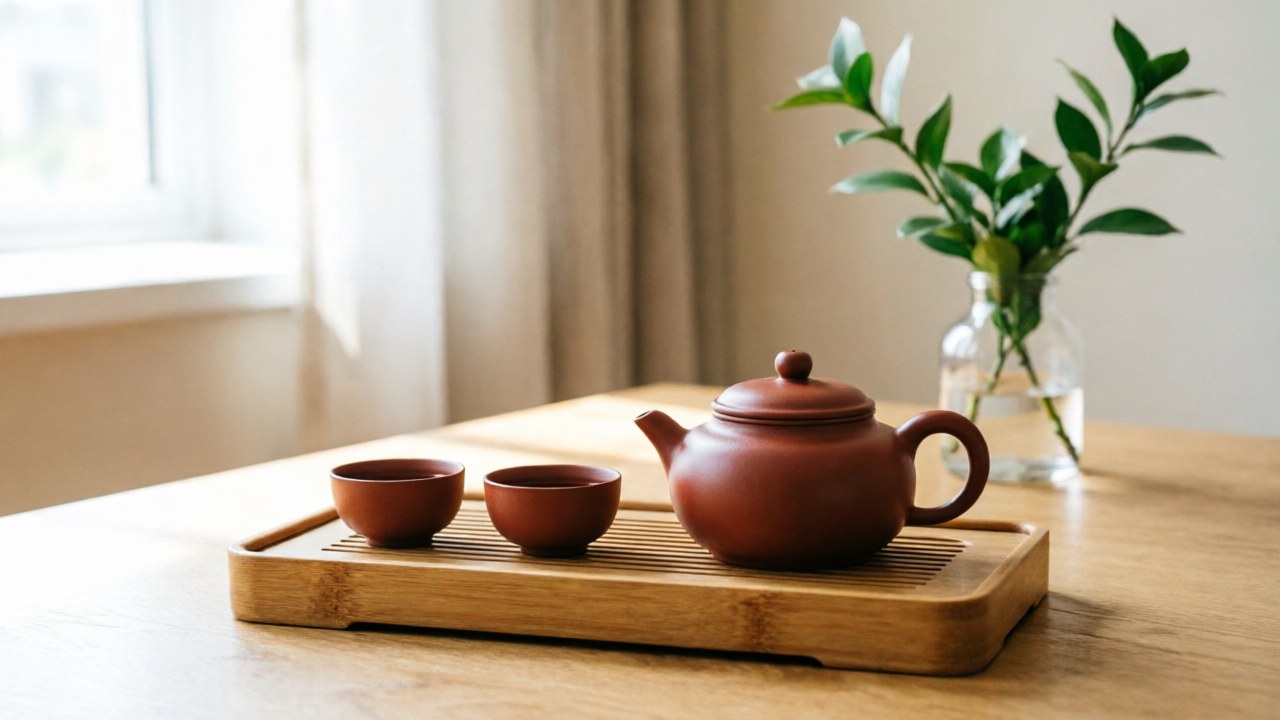
A Yixing teapot is the one vessel where clay, filter, and session size interact more than price or form. I keep three Yixing pots at home—one for pu-erh, one for dancong, one for roasted oolong—and the framework below comes from that daily rotation. This page gives you a clay path (zini first), size by session, a filter-style decision, a pour-and-lid testing checklist, honest when-not-to-buy paths, and a realistic season-to-one-pot timeline.
This is a buyer guide—not a clay-type encyclopedia, not an auction appraisal, and not a ceremony sequence. For form study, see Classic Yixing Forms Worth Studying. For the wider vessel tree, start at the Vessels lane.
What a Yixing Teapot Is (and Is Not)
A Yixing teapot is an unglazed clay pot from the Yixing region in Jiangsu, China, made from zisha (purple sand) clay [1]. The defining property is porosity: because the clay isn’t glazed, it absorbs tea oils with each brew and gradually builds a patina unique to the tea you dedicate to it [2].
What it isn’t: a porcelain teapot (glazed, flavor-neutral, no seasoning); a gaiwan (open bowl with a lid, no spout, no clay-tea interaction); or a matcha whisk (different tool entirely—see matcha tools).
That porosity is why the one-pot-one-tea rule exists. Switch from pu-erh to green tea in the same pot and the carried-over oils muddy both brews [2]. Once you dedicate a pot to a tea, you’re committed for the lifetime of that vessel.
Clay Path — Zini First, Then Zhuni or Duanni
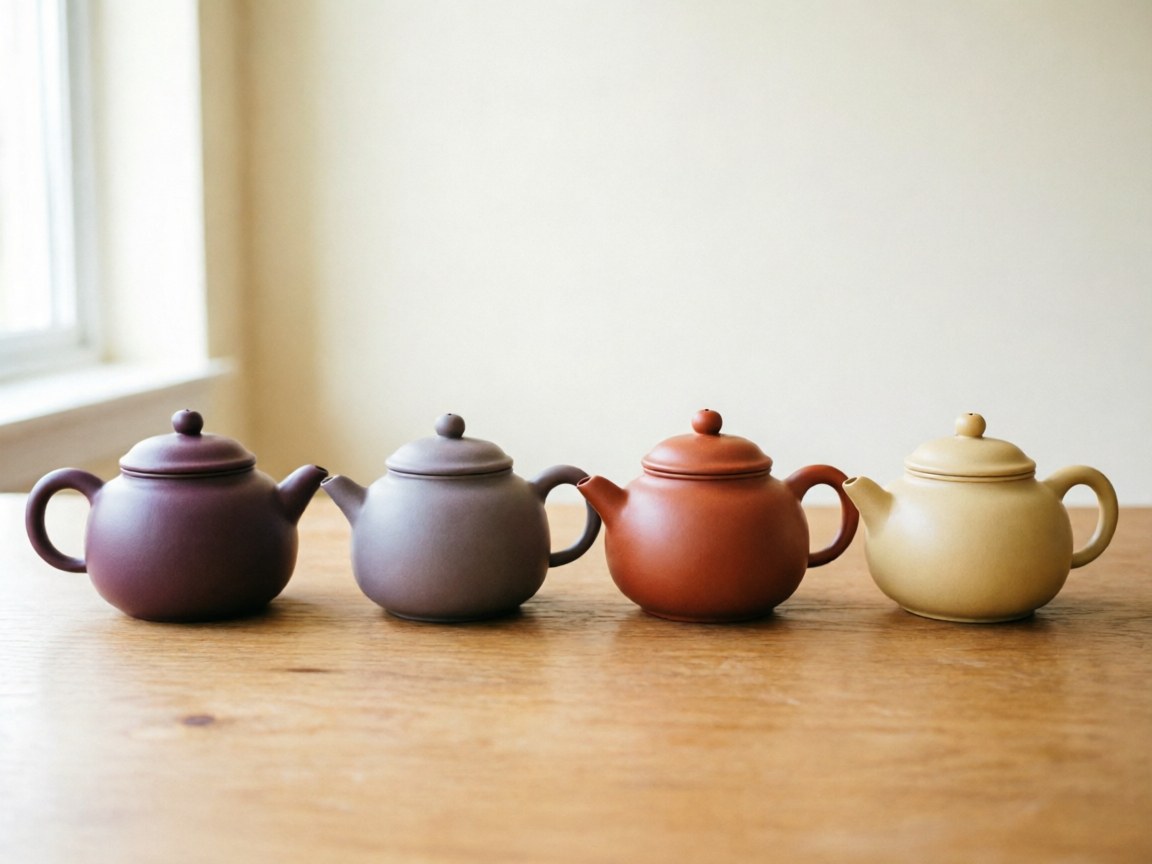
Your first decision isn’t form or size—it’s clay. Each clay family has a different grain structure, heat retention, and tea pairing.
Zini (purple clay) is the default beginner path. Dense grain, moderate porosity, builds patina steadily. Forgiving with pu-erh, roasted oolong, and black tea [1]. The YULONGSHENG Zini 220ml ($17.99) is the lowest entry price for testing whether clay actually enhances your daily tea. If you want more volume for two-to-three cups, the Yxhupot Red Brown Zisha 10oz ($24.80) uses zisha clay—a close cousin of zini with a hand-carved finish and forgiving neutral character.
Zhuni (red clay) has tighter grain and higher heat retention. It holds temperature through short steeps, which is what dancong (single-bush oolong) and rock tea (yancha) demand [3]. The WEOPYCJ Zhuni Xishi 400ml ($39.99) is an affordable zhuni entry for shared sessions. For the dedicated solo connoisseur, the ChinaTeaSpirit Zhuni Wen Dan 100ml ($109.00) is handmade collector-grade—Wen Dan (egg) form, tight-grain clay for dancong and rock tea.
Duanni (yellow/white clay) is the lightest color, suits white tea and green tea pairing. Higher iron content gives visual contrast with pale liquors [3]. The SILINE White Duanni Siting 220ml ($84.95) is a higher-grade Siting-form pot for lighter teas.
| Clay | Porosity | Best Tea | Beginner? | Price Range |
|---|---|---|---|---|
| Zini | Medium | Pu-erh, oolong, black | Yes | $18–35 |
| Qingshuini | Medium | Pu-erh, oolong, daily | Yes | $25–35 |
| Zhuni | Tight | Dancong, rock tea | Later | $35–110+ |
| Duanni | Medium-Low | White, green | Later | $60–90+ |
Size by Session Pattern
Skip the abstract ml chart. Match capacity to how you actually drink.
Solo gongfu (100–180 ml): The sweet spot for one person, 4–8 short infusions. The YXHUPOT Zini Xishi 180ml ($29.80) is the reference solo size—Xishi form, 9-hole filter, ideal for pu-erh and roasted oolong. If you want a premium single-person pot, the ChinaTeaSpirit Zhuni Wen Dan 100ml is a connoisseur option.
Two to three cups (200–320 ml): The YULONGSHENG Zini 220ml or Yxhupot Red Brown Zisha 10oz cover this range. The Zisha’s larger volume gives headroom for rinse and overflow on a tray [5].
Group or travel: For outdoor or office sessions, the Queena Portable Set ($32.99) packs a teapot and cups in a travel bag.
| Session | Volume | First Pick |
|---|---|---|
| Solo | 100–180 ml | Zini Xishi 180ml |
| 2–3 cups | 200–320 ml | Zisha 270ml |
| Travel | Set | Queena Portable Set |
Filter Style — Ball, 9-Hole, Mesh, or None
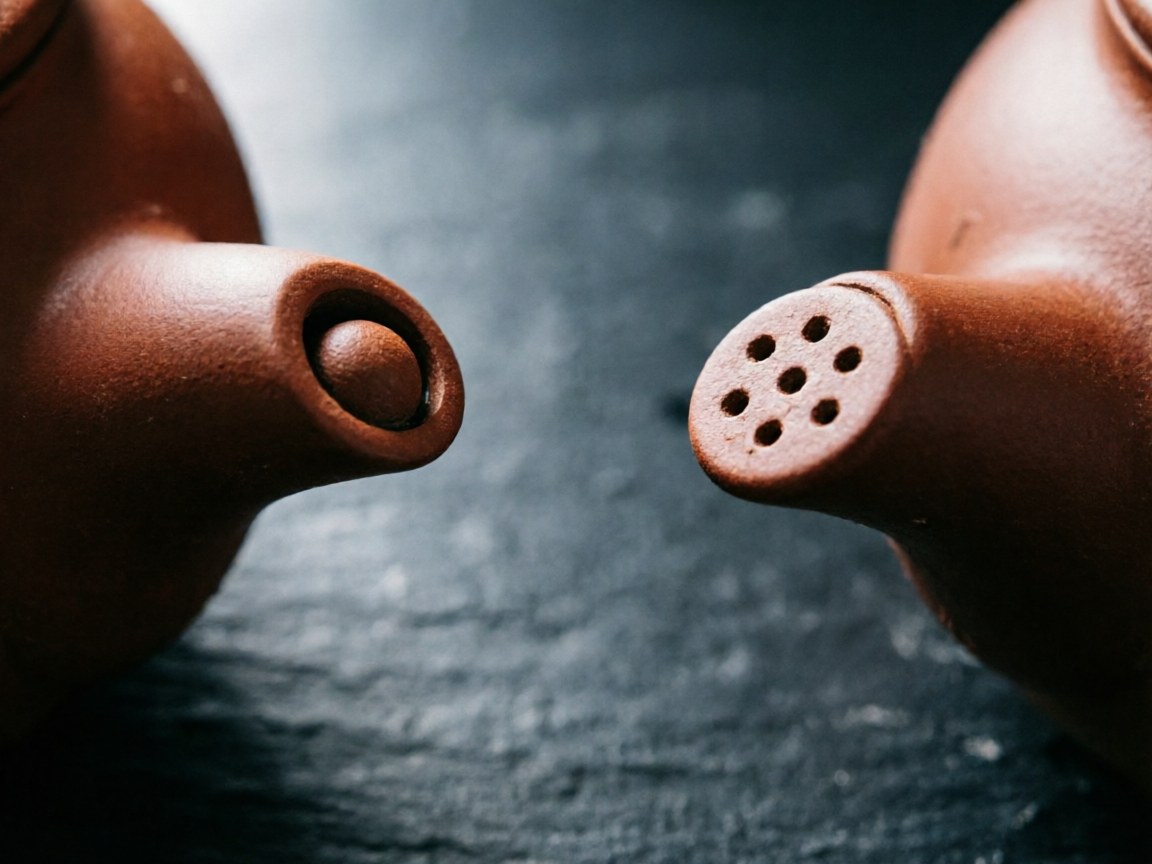
No SERP competitor covers filter style as a buying criterion—but it directly affects your daily pour. Yixing teapots come with four filter approaches, and the right one depends on your leaf type.
Ball filter: A spherical perforated ball sits inside the spout entrance. Catches most leaf, good for broken-leaf or fannings. Can slow the pour on tightly rolled oolongs. The YXHUPOT Zini Xishi Ball Filter 180ml ($31.88) is the same pot as the 9-hole version (B087PW5K33), letting you compare directly.
9-hole filter: A row of small holes at the spout entrance. Faster pour than ball, handles tightly rolled oolong and broken-leaf pu-erh well. The YXHUPOT Zini Xishi 9-Hole 180ml ($29.80) is the reference.
Mesh filter: A removable stainless-steel mesh at the spout. Budget upgrade for pots without built-in filtration, or replacement for worn filters. The NentMent 2 Pack Spout Filter ($5.97) covers two sizes.
No filter (open spout): Fastest pour, but requires whole-leaf or careful leaf management. Common on handmade artisan pots where the spout shape itself acts as a partial strainer.
| Filter | Pour Speed | Leaf Type | Best For |
|---|---|---|---|
| Ball | Slow-Medium | Broken leaf, fannings | Beginners, messy leaf |
| 9-hole | Medium-Fast | Rolled oolong, pu-erh | All-purpose daily use |
| Mesh | Variable | Any | Upgrade / replacement |
| None | Fast | Whole leaf | Artisan pots, clean pour |
Pour Quality, Lid Fit, Finger Heat
Before you click buy, check three failure modes using listing photos, Q&A, and return policy [6]:
- Lid fit: The lid should seat snugly and create suction when you cover the spout hole and press down. A loose lid means steam escapes and pour control suffers. If the seller’s video shows the lid lifting slightly when the spout is covered and the pot is tilted—that vacuum seal is working.
- Pour stream: A clean Yixing pour arches, not dribbles. The stream should narrow toward the end so the last drops don’t run down the outer wall. Ball-filter pots pour slower; 9-hole and no-filter pour faster.
- Finger heat: The handle should stay holdable through a full pour. Thin-walled pots and zhuni (high-density clay) transmit more heat; zini and duanni run slightly cooler in hand.
For the Zini Xishi 9-Hole 180ml versus the ball-filter twin ($31.88), buyer photos show the lid vacuum test working on both—compare the pour speed difference in reviews.
When NOT to Buy a Yixing Yet
Honest defer paths protect your wallet more than a forced cart.
- First gongfu vessel? Start with a porcelain gaiwan. It’s flavor-neutral, cheaper ($12–18), and lets you explore many tea types before committing clay. Yixing rewards a dedicated leaf, not exploration.
- Daily Western brewing (one big mug)? Yixing’s small-volume, multi-infusion design doesn’t fit the single-mug habit. Learn the first-cup brewing system first.
- Only want matcha? That’s a matcha tools kit, not this vessel.
- Hunting kiln pedigree or auction-grade clay? That’s the appreciate lane for form study—not this daily buyer guide.
- Budget under $15? Genuine Yixing zisha starts around $18 on Amazon. Below that, you’re getting slip-cast imitation clay that won’t season properly. Wait and save.
If you’re still mapping the starter vessel tree, return to teaware for beginners.
Season-to-One-Pot — A Realistic Timeline
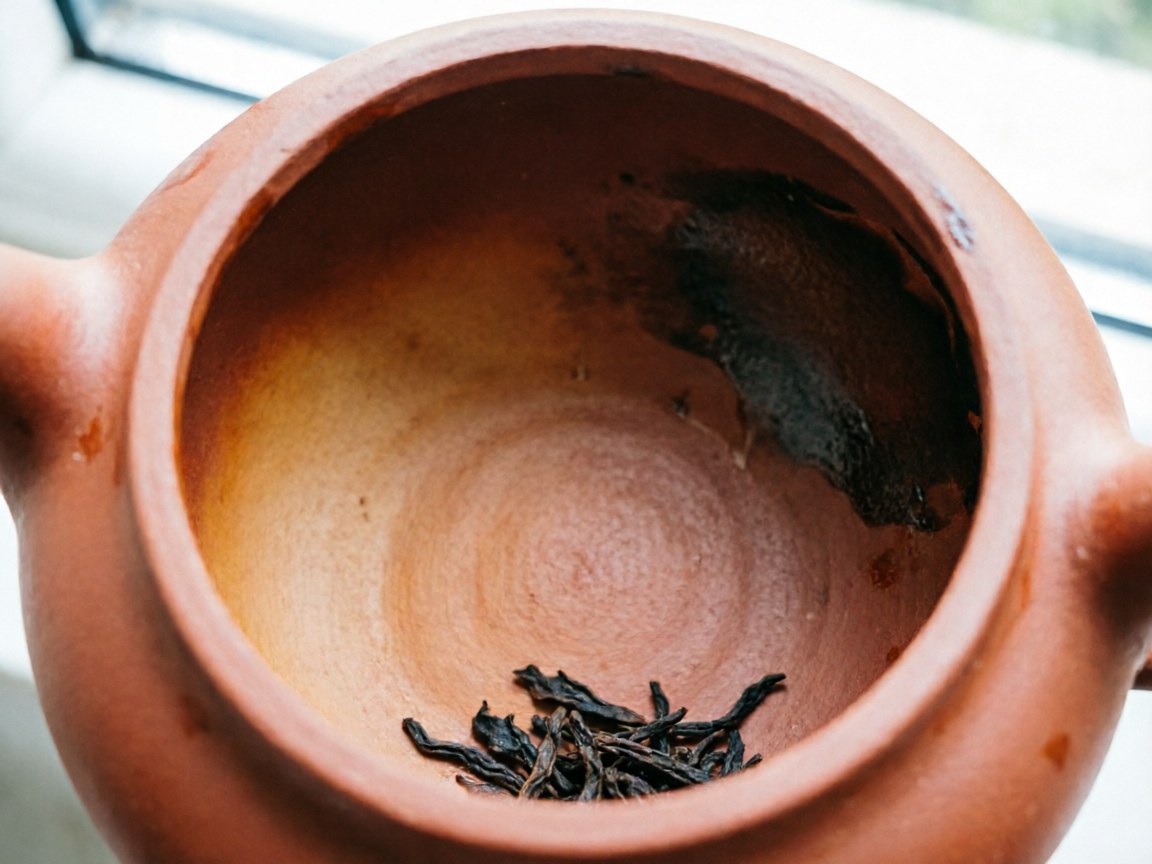
The one-pot-one-tea principle is the most repeated Yixing advice—and the least explained. Here’s what actually happens when you dedicate a pot.
Weeks 1–4 (active absorption): The clay is at its most porous. You’ll notice the interior darkening with each session. Rinse with hot water before and after every brew. Use the UPKOCH Bamboo Brush ($13.39) to gently scrub the interior without soap—soap kills the patina you’re building.
Months 2–6 (patina building): The surface develops a soft sheen from accumulated tea oils. The pot may smell faintly of your dedicated tea when dry. That’s the sign your seasoning is working.
6 months–2 years (mature seasoning): The clay darkens noticeably, develops a warm tactile quality, and the interior has a visible tea-oil layer. By this point, switching tea types would waste months of dedication.
Practical rule: Don’t season multiple pots at once. One pot, one tea, daily or near-daily brewing. For deeper care details, see teaware care.
Kit Companions — Tray, Cups, Brush
A Yixing teapot rarely works alone for gongfu sessions. Three companions finish the kit:
| Role | Why | Pick |
|---|---|---|
| Gongfu tray | Catches rinse water and overflow | Jotsport 17” Bamboo Tray ($24.99) |
| Starter set | Gift or first-set convenience | SILINE Zisha Set 230ml + 2 cups ($62.98) |
| Travel kit | Outdoor or office gongfu | Queena Portable Set ($32.99) |
| Care brush | Seasoning and maintenance | UPKOCH Bamboo Brush ($13.39) |
The tray is the piece most beginners skip and then regret—Yixing brewing involves rinse and overflow that a bare table can’t handle. For a few-tools, deep-use path, see teaware personal system.
Common Mistakes
- Buying clay-first for all tea types: Switching from pu-erh to green tea in the same pot muddies both. Fix: dedicate one pot to one tea category. If exploring, start with a gaiwan instead.
- Choosing the wrong size: A 400ml pot for solo gongfu means wasted leaf and weak steeps. Fix: 100–180 ml solo, 200–320 ml for 2–3 people.
- Ignoring filter style: A ball filter on tightly rolled oolong means a frustratingly slow pour. Match filter to leaf type.
- Using soap or dishwasher: Destroys the patina in one wash. Fix: hot water rinse and a bamboo brush only. See teaware care.
- Skipping the tray: Rinse water and overflow damage bare tables. Fix: Jotsport Bamboo Tray ($24.99).
- Buying under $15: Below genuine zisha entry price, you get slip-cast imitation clay that won’t season. Start at $18+ with the YULONGSHENG Zini ($17.99).
Where This Vessel Fits
- Beginner vessel tree → teaware for beginners
- Personal system (few tools, deep use) → teaware personal system
- Form study counterpart (post-purchase) → Classic Yixing Forms Worth Studying
- Sister vessel buyer guide → How to Choose a Gaiwan
- Care companion → teaware care
- Hub Vessels lane → Teaware and Vessels
- Brewing classroom (leaf, temp, time) → how to brew tea
Recommended First Buys
Recap of products introduced above:
- Best-budget-first: Yxhupot Red Brown Zisha 10oz ($24.80) — forgiving clay, daily volume.
- Best-value solo: YULONGSHENG Zini 220ml ($17.99) — lowest genuine-zisha price.
- Solo reference (9-hole): YXHUPOT Zini Xishi 180ml ($29.80).
- Zhuni entry: WEOPYCJ Zhuni Xishi 400ml ($39.99).
- Gift set: SILINE Zisha Set 230ml + 2 cups ($62.98).
- Kit companions: Bamboo tray + care brush.
The Mind of the Yixing
A Yixing teapot is the one vessel that asks for commitment before it gives back. A gaiwan serves all teas equally; a Yixing pot bonds to a single leaf over months. Choose clay for forgiveness, size for the session you live, filter for your leaf. The pot returns the attention you put in—one short steep at a time.
References
[1] Wikipedia contributors. “Yixing clay teapot.” Wikipedia. https://en.wikipedia.org/wiki/Yixing_clay_teapot
[2] Path of Cha. “Choosing Yixing Clay Teapot.” https://pathofcha.com/blogs/all-about-tea/a-comprehensive-guide-on-choosing-yixing-clay-teapot — one-pot-one-tea principle, clay-to-tea matching framework.
[3] HandMyth. “Field Guide to Yixing Teapot Clay Types.” https://handmyth.com/field-guide-to-yixing-teapot-clay-types/
[4] Mud and Leaves. “Yixing Teapot Pairing: Which Tea for Which Teapot.” https://mudandleaves.com/blogs/teatime/yixing-teapot-pairing-or-which-tea-for-which-teapot
[5] Fong’s Tea. “How to Choose a Yixing Teapot.” https://www.fongstea.com/how-to-choose-a-yixing-teapot/
[6] Tea Libere. “How to Choose the Right Yixing Teapot: A Guide from a Tea Expert.” https://tealibere.com/blogs/explore-teaware/how-to-choose-the-right-yixing-teapot-a-guide-from-a-tea-expert