What Is Huang Ya Tea?
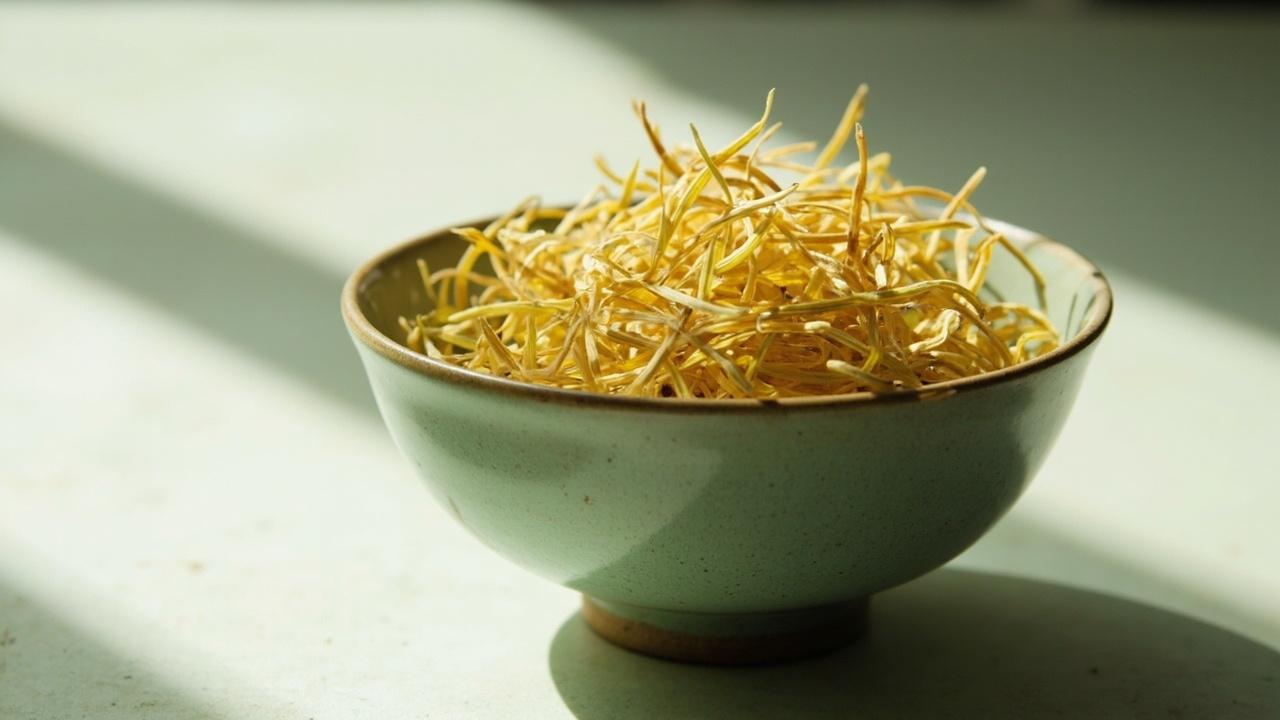
Huang ya (Yellow Bud) is a rare yellow tea from China — one of the six classic tea types, and by far the scarcest. Yellow tea accounts for less than 0.1% of China’s total tea production, and huang ya sits within that tiny slice as a specific sub-variety defined by bud-only material [1].
Unlike green tea, which is pan-fired and packed immediately, huang ya goes through an extra step called men huan (sealed yellowing). The leaves are wrapped in paper or cloth and gently heated for hours after fixation, which breaks down chlorophyll and produces the tea’s signature yellow-green color and mellow mouthfeel [2].
Huang ya dates back to the Tang Dynasty, with records tracing its earliest cultivation to the misty mountains of Sichuan and later expansion into Anhui and Zhejiang [1]. Today, three main origins carry the huang ya tradition — each with a distinct character worth exploring.
Three Famous Origins
Each huang ya origin grows in a different province, using local cultivars and slightly different processing styles. The table below gives a quick comparison.
| Origin | Province | Character | Aroma |
|---|---|---|---|
| Meng Ding Huang Ya | Sichuan | Mellow, nutty | Roasted chestnut |
| Huo Shan Huang Ya | Anhui | Toasted, full | Corn, toasted rice |
| Mogan Huangya | Zhejiang | Delicate, floral | Orchid, fresh grass |
Meng Ding Huang Ya comes from Meng Mountain in Sichuan, the oldest recorded huang ya origin. High-elevation fog and mineral-rich soil produce a smooth cup with roasted chestnut sweetness. It’s the benchmark for the category — if you’ve only tried one huang ya, this should be it [3].
Huo Shan Huang Ya from Anhui’s Huoshan county has a Wikipedia page of its own, making it the most documented of the three [1]. The processing here leans slightly darker, with a toasted, almost corn-like character that feels fuller on the palate.
Mogan Huangya from Zhejiang’s Mogan Mountain is a newer addition to the huang ya family. It’s lighter and more floral — closer in spirit to a delicate oolong than a green tea, with orchid notes and a clean, grassy finish.
If you’re curious to try, a good starting point is the CO-OP 1950 Yueyeang Yellow Tea — a solid representation of the category without a premium price tag.
How Huang Ya Is Made — The Men Huan Process
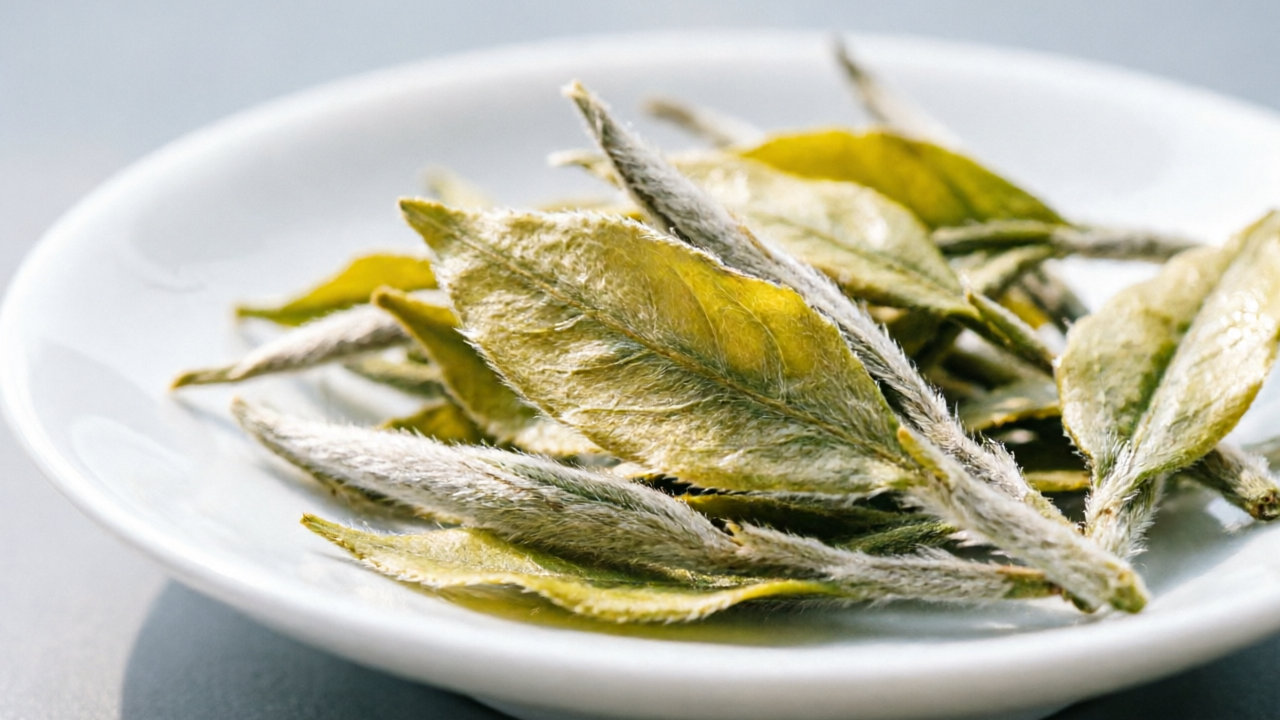
The process starts like green tea: fresh buds are plucked (one-bud-one-leaf or one-bud-two-leaves), then pan-fired to halt oxidation. But that’s where green tea stops and huang ya keeps going.
The defining step is men huan (闷黄, “sealed yellowing”). After fixation, the still-warm leaves are wrapped in paper or stacked in cloth-lined baskets and held at a controlled temperature for 6-12 hours. During this time, a slow, non-enzymatic reaction transforms chlorophyll into pheophytin — the compound that gives yellow tea its color — while residual moisture gently breaks down the compounds responsible for bitterness and astringency [2].
This isn’t a quick step. Proper men huan takes 3-6 days total from plucking to finished tea, compared to a single day for most green teas. And the skill is rare — fewer than a hundred tea masters in China still practice traditional men huan techniques [1].
The result tastes nothing like green tea. The grassy sharpness is gone. In its place: a round, silky texture and a sweetness that lingers at the back of the throat.
Flavor Profile
Huang ya’s taste sits in a space that no other tea type quite fills. It’s less grassy than green tea, more delicate than oolong, and fuller-bodied than white tea.
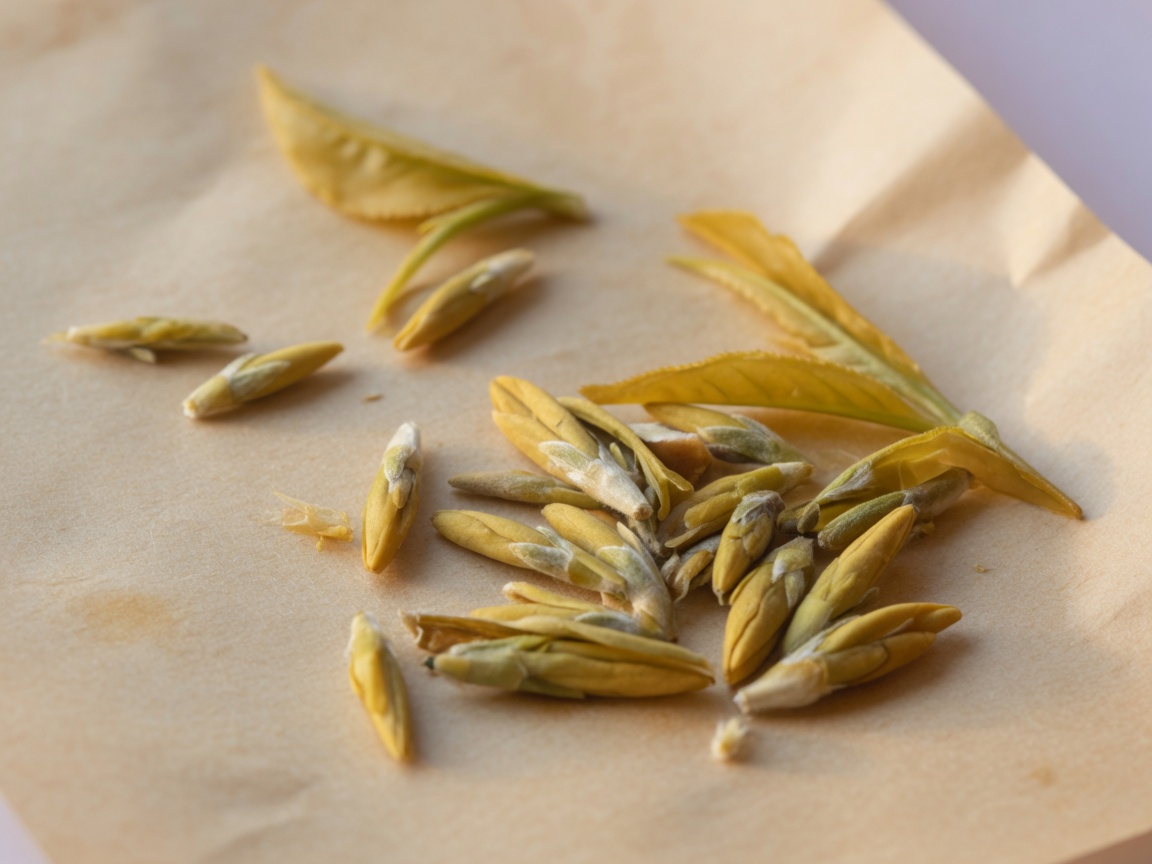
Dry leaf: Yellow-green buds covered in fine white down. The shape varies by origin — Huo Shan leaves are twisted, while Meng Ding buds are straighter and more uniform.
Liquor: Pale yellow to golden, with remarkable clarity. The color is a reliable freshness indicator — cloudy liquor means old or poorly stored leaves.
Aroma: Chestnut dominates in Meng Ding, toasted corn in Huo Shan, orchid in Mogan. All three share a gentle sweetness with no vegetal edge.
Taste: Smooth and mellow from the first sip. There’s no astringency, no bite — just a round, coating mouthfeel that builds sweetness with each infusion. The aftertaste (hui gan) is clean and long-lasting [2].
I keep coming back to huang ya for its gentle sweetness — it never overpowers, just coats and fades. If you find green tea too sharp or oolong too aromatic, this is the middle path worth exploring.
How to Brew Huang Ya Tea
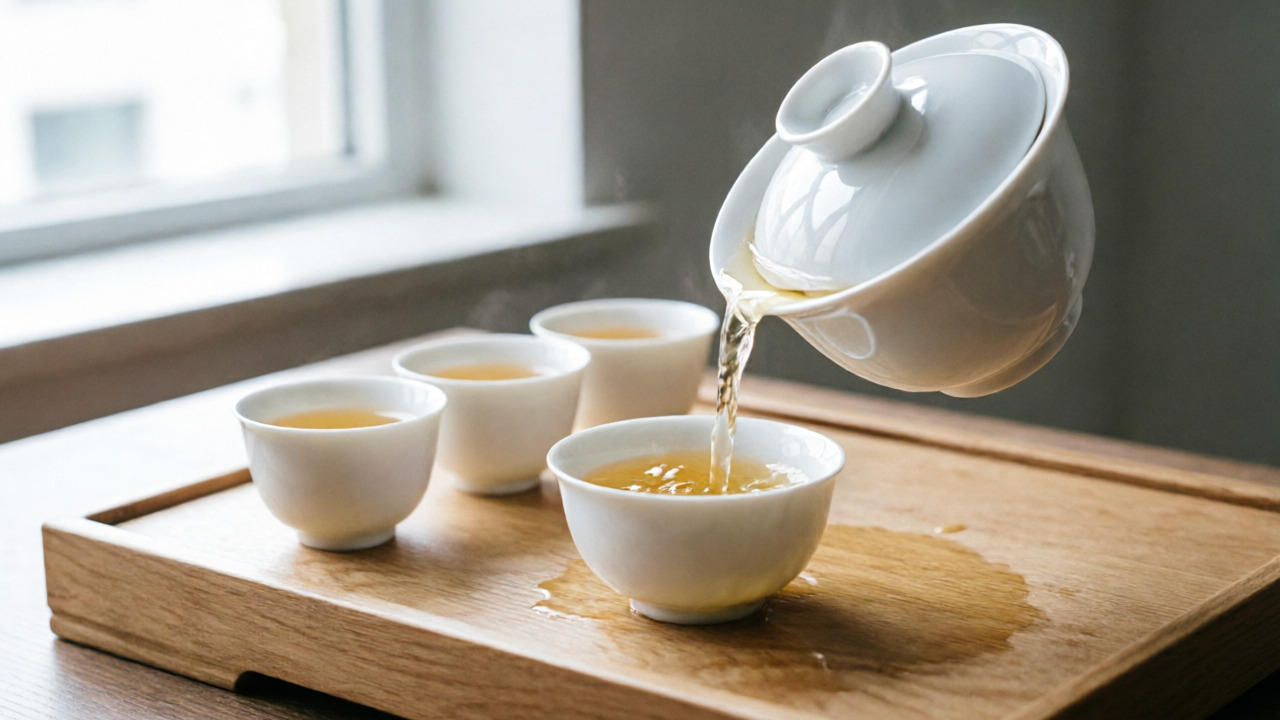
Huang ya is fragile. Its delicate character comes from the men huan process, and high heat will undo it in seconds. The golden rule: keep water well below boiling.
Gongfu method (recommended for the full experience):
- Vessel: A 100-150ml porcelain gaiwan — porcelain won’t absorb or alter the tea’s subtle flavor
- Leaf: 4-5g per session (about 2-3 teaspoons)
- Water: 80°C (175°F) — use a temperature-control kettle for consistency
- Steep: 20-30 seconds for the first infusion, adding 5-10 seconds each round
- Cups: Use small tasting cups to compare each infusion’s evolving flavor side by side
- Infusions: 5-7, depending on leaf quality
Western method:
- Vessel: A cup or small teapot
- Leaf: 2-3g per 200ml cup
- Water: 80°C
- Steep: 2-3 minutes — longer than gongfu but still shorter than black tea
A common mistake is steeping too long, which extracts bitterness even at the right temperature. Watch the color: when the liquor reaches a pale gold, it’s ready.
Food Pairing
Huang ya’s gentle character pairs best with foods that don’t compete. Think light, subtly sweet, and texturally simple.
- Light pastries: Madeleines, shortbread, or plain pound cake — the butter and vanilla complement the tea’s chestnut notes
- Mild cheeses: Brie or camembert — creamy textures mirror the tea’s smooth mouthfeel
- Fresh fruit: Pear, green apple, or honeydew — clean, sweet contrast without overpowering
- Steamed dumplings: Vegetable or shrimp har gow — the delicate filling respects the tea’s subtlety
Avoid anything spicy, heavily seasoned, or smoked. These will dominate the cup and you’ll lose the huang ya character entirely.
Recommended Huang Ya Tea
If you’re ready to try huang ya, these options cover the range from entry-level to premium, plus gear to brew it right.
- Best overall: CO-OP 1950 Yueyeang Yellow Tea ($19.99) — authentic Yueyang yellow tea, representative of the category with balanced chestnut sweetness
- Best value: Tealyra Golden Dragon Yellow Tea ($20.99) — smooth and forgiving for daily drinking, works well with both gongfu and western brewing
- Premium pick: Tealyra Huang Cha Rare Yellow Tea ($24.99) — a dedicated yellow tea blend with deeper, more complex notes
- Quick brewing: CO-OP 1950 Yellow Tea Bags ($9.99) — 20 tea bags for convenience, good for beginners or office drinking
- Starter set: Chinese Gongfu Tea Set with Gaiwan and 6 Cups ($47.99) — complete brewing setup to experience huang ya the traditional way
To explore more rare, delicate teas, try silver needle white tea — another bud-only tea with a subtle, elegant character. For a classic Chinese green comparison, Longjing shares huang ya’s chestnut sweetness with a cleaner, greener finish. If you’re curious about brewing parameters for similar teas, check the green tea brewing guide for temperature and steeping tips that also apply to huang ya. For caffeine comparison across tea types, the caffeine by tea type guide covers where yellow tea sits on the spectrum.
Huoshan Huangya vs Mengding Huangya
The two most common huang ya varieties come from different mountains and taste noticeably different:
| Feature | Huoshan Huangya | Mengding Huangya |
|---|---|---|
| Origin | Huoshan, Anhui | Mengding Mountain, Sichuan |
| Leaf grade | Bud + 1 leaf | Bud + 1 leaf |
| Men-huang duration | Shorter (hours) | Longer (1-2 days) |
| Aroma | Toasted chestnut, hay | Floral, light grass |
| Liquor | Bright yellow-green | Deeper gold |
| Aftertaste | Clean, quick finish | Lingering sweet (hui gan) |
| Price range | More accessible | Mid-to-premium |
If you’re buying your first huang ya, Huoshan is the practical choice — it’s more widely available and shows the men-huang character clearly without the premium price of Mengding.
Tasting Notes: Aroma, Liquor, Aftertaste
A proper huang ya tasting moves through three phases:
Aroma (dry leaf + wet leaf): The dry leaf smells faintly toasty — like hay warming in the sun. After the first pour, the wet leaf releases a sweeter, nuttier scent. This contrast is the men-huang signature.
Liquor color: Yellow-green in the cup, not the bright green of a Chinese green tea or the deep amber of a black. The yellow cast is literal — it’s where the tea type gets its name.
Aftertaste (hui gan): Huang ya’s defining feature. The first sip tastes gentle and slightly sweet. Then, 10-15 seconds after swallowing, a subtle sweetness returns at the back of the throat. This returning sweetness (hui gan) is more pronounced in Mengding than in Huoshan.
For more on brewing parameters, see our yellow tea brewing guide and green tea brewing guide.
The Mind of Huang Ya
Huang ya is tea at its most patient — leaves that rest, wrapped and warm, for days before they reveal their true character. That quiet transformation teaches what haste cannot: some of the finest flavors only emerge when you slow down enough to let them. Sip slowly. Think deeply. Live mindfully.
References
[1] Huoshan Huangya tea — Wikipedia. https://en.wikipedia.org/wiki/Huoshan_Huangya_tea [2] Yellow Tea Fundamentals — Teadrunk. https://www.teadrunk.com/pages/yellow-tea-fundamentals [3] Meng Ding Huang Ya Background — A Thirst for Tea. https://www.athirstfortea.com/pages/meng-ding-huang-ya-background