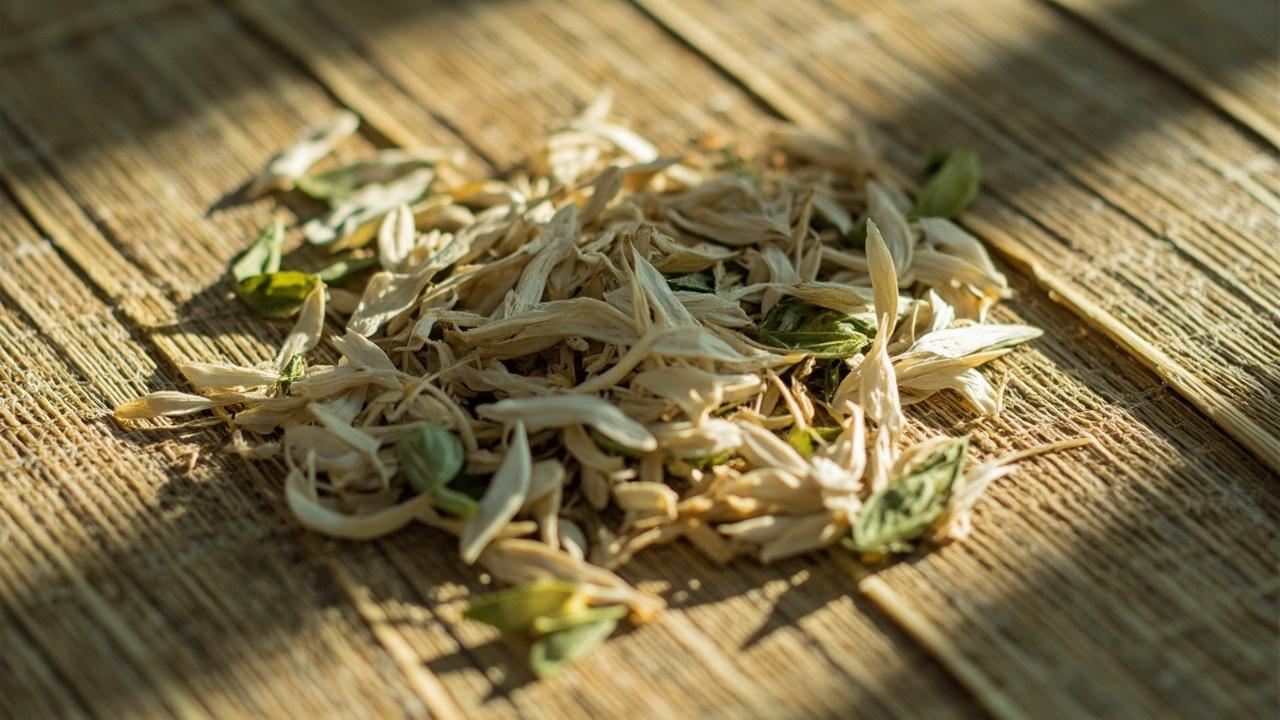
Bai Mu Dan (白牡丹, “White Peony”) sits right between the two extremes of white tea — more body than bud-only Silver Needle, more refinement than leaf-heavy Shou Mei [1]. This guide covers origin, grades, flavor, and how to brew it for the sweetest cup every time.
What Is Bai Mu Dan White Tea?
Bai Mu Dan is a traditional white tea from Fuding, Fujian province, made from one bud and one to two young leaves plucked in early spring [1]. The name “White Peony” comes from how the unfurling buds and leaves open up in hot water like a flower.
Two things set Bai Mu Dan apart within the white tea family:
- Bud-and-leaf composition — not bud-only like Silver Needle and not leaf-only like Shou Mei. The leaf material adds body and flavor presence while the buds keep it sweet [1].
- Minimal processing — like all white teas, Bai Mu Dan undergoes only withering and drying. No rolling, no pan-firing, no oxidation management [1].
The result is a tea that’s approachable enough for daily drinking but complex enough to reward attention. It’s the most widely drunk white tea in China and the easiest to find internationally after Silver Needle.
Origin: Fuding vs Yunnan
Bai Mu Dan’s character shifts depending on where the leaf was grown. Two regions dominate the market.
Fuding — the traditional benchmark
Fuding county produces the classic expression. The local Fuding Dabai and Fuding Dahaocha cultivars deliver a lighter, sweeter profile with pronounced floral notes. Fuding-origin material also has more downy buds — the silver-white tips show clearly in the dry leaf. Most premium Bai Mu Dan sold globally is Fuding-sourced [2]. If the label doesn’t mention Fuding, it’s probably not top-grade.
Yunnan — the bolder alternative
Yunnan-grown Bai Mu Dan uses the region’s large-leaf (Dayeh) cultivars with a different processing approach. These teas show fuller body and earthy undertones, less floral and more honeyed sweetness. Yunnan white tea production has grown rapidly over the last decade, often at more affordable prices [2].
Yunnan Bai Mu Dan isn’t lower quality — it’s a different expression. Fuding is the voice of restraint; Yunnan is the voice of presence.
| Cue | Fuding | Yunnan |
|---|---|---|
| Bud down | Heavy, silvery | Less visible |
| Liquor | Pale champagne | Golden apricot |
| Flavor | Floral, clean, light | Honeyed, earthy, bold |
| Price per oz | $12–20 | $8–15 |
Bai Mu Dan Grades
Three grades define the market, distinguished by bud-to-leaf ratio.
Superior / King grade
Nearly half the material is downy buds with just tiny new leaves attached. The feel in hand is soft and fluffy. In the cup, Superior grade delivers the sweetest liquor and the clearest floral notes. Expect to pay $15–20 per ounce [1].
Standard grade
A balanced mix of buds and one to two fully-opened young leaves. This is what most loose-leaf Bai Mu Dan on the market is. You get a solid honeyed flavor with moderate body [3]. Standard grade runs $10–15 per ounce and is the best daily-drinker option.
Lower grade
More mature leaves with fewer buds. The cup is darker and more robust. If steeped too hot or too long, it can verge on astringent. These teas cost $6–10 per ounce and are often bought for iced tea or blending [2].
Flavor Profile
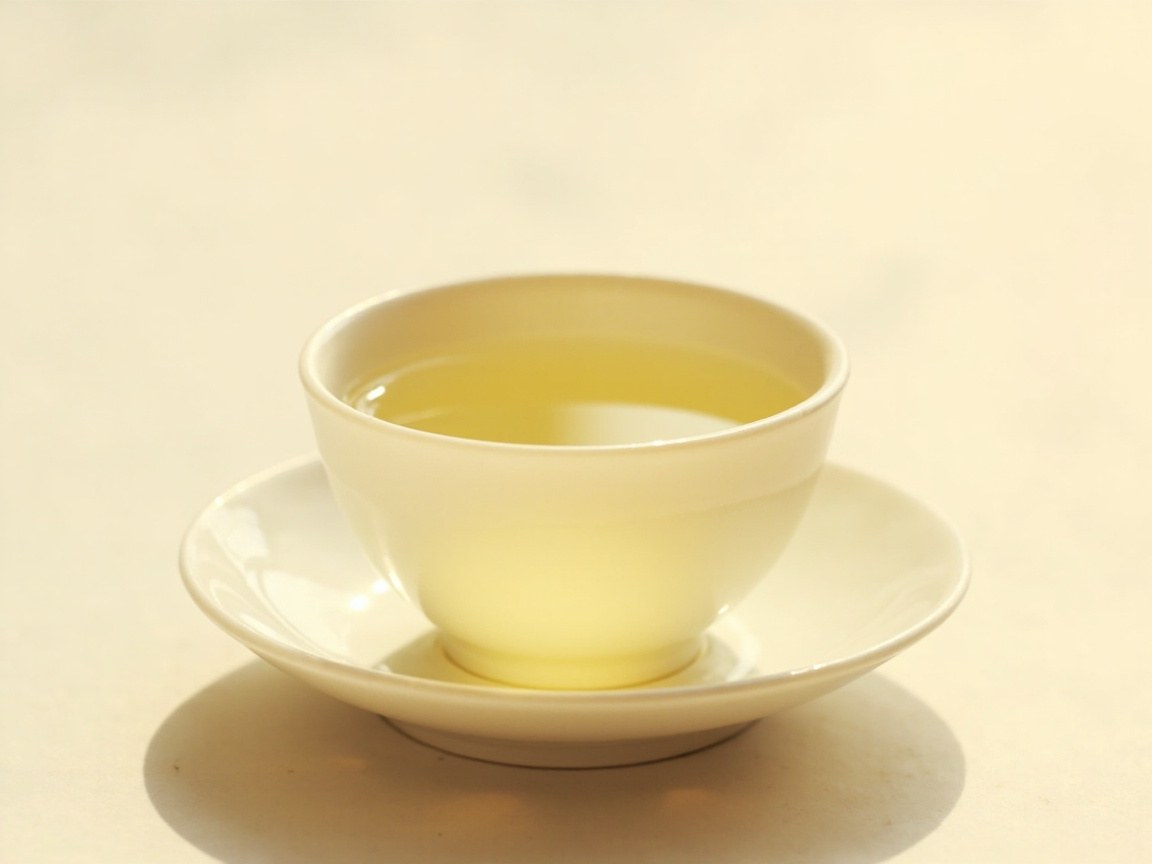
Bai Mu Dan’s flavor sits between Silver Needle’s delicate sweetness and Shou Mei’s rustic intensity.
- Aroma: dried flowers, honey, fresh hay
- Taste: honeyed sweetness with notes of chrysanthemum, osmanthus, and light melon or apricot
- Mouthfeel: smooth, medium body, very gentle astringency
- Finish: a soft returning sweetness (hui gan) that lingers after the sip
Compared to Silver Needle, Bai Mu Dan has more flavor presence but less delicacy. The leaf material adds body and a hay-like undertone that bud-only Silver Needle doesn’t offer. Compared to Shou Mei, Bai Mu Dan is more refined, less woody, and has a cleaner finish [1][2].
Fresh Bai Mu Dan (within 18 months of harvest) tastes brightest and most floral. As it ages, the character shifts toward honey, dried fruit, and deeper notes.
How Bai Mu Dan Is Made
White tea production follows a famously simple two-step process [1].
- Plucking — pickers hand-harvest the bud plus one to two youngest leaves in early spring (late March to mid-April). The plucking standard matters more than the processing, because the leaf material determines the final quality.
- Withering — the leaves spread on bamboo trays in natural air (traditional) or temperature-controlled rooms (modern). Moisture drops from about 75% to under 10% over 36–72 hours [1][3]. During this time, natural enzymes slowly break down chlorophyll and concentrate the sugars, creating Bai Mu Dan’s signature honeyed sweetness [1].
- Drying — a brief low-temperature bake (40–50°C) halts the withering and locks in the flavor [3]. Some producers sun-dry only, but most add a gentle bake for stability [2].
The entire process takes three to five days with no mechanical rolling, no intentional oxidation, and no high heat. That minimal intervention is why plucking precision, cultivar choice, and terroir come through so clearly in the final cup.
How to Brew Bai Mu Dan
The golden rule: don’t use boiling water. The tender buds and young leaves scorch easily, turning the cup bitter and flat.
Gongfu Method (recommended)
This is the best way to appreciate Bai Mu Dan’s complexity. Shorter steeps let you taste the flavor arc across multiple infusions.
| Parameter | Value |
|---|---|
| Leaf | 4–5g per 100ml |
| Vessel | Woonsoon Chinese Glass Gaiwan (gongfu brewing) |
| Water | 80–85°C (175–185°F) |
| Steeps | Rinse (optional) → 15s → 20s → 25s → 30s → add 5s per round |
| Resteeps | 4–5 times |
A glass gaiwan is ideal because you can watch the buds and leaves slowly unfurl. The first steep brings the most floral notes; later steeps reveal honey and hay [2][3].
Western Method
For a quick, reliable cup: use 2–3g per 250ml cup or pot, water at 80–85°C, steep 2–3 minutes. Pour over the leaves slowly and watch the liquor turn pale gold. A porcelain vessel works best. Try the Taimei Teatime King Grade White Peony for western brewing — its king-grade material handles the longer steep gracefully.
Cold Brew Method
Bai Mu Dan cold brews beautifully. The low-temperature extraction produces an exceptionally smooth, sweet result with barely any bitterness. Use 4–5g per 500ml cold water, steep 6–8 hours in the refrigerator. The Tealyra White Peony works well for cold brewing — the lower price makes bulk batches practical.
Pro Tips
- Filtered water — white tea reflects water quality more than any other category. Tap water with high mineral content dulls the flavor.
- Don’t boil — 80–85°C is your target. If you don’t have a temperature-controlled kettle, pour boiling water into the empty vessel first to warm it (this drops the temp by about 10°C), then pour that out and brew normally.
- Save the first steep — don’t rinse unless the leaf looks dusty. The first infusion carries the most aromatic compounds.
- Five-plus resteeps — good-quality Bai Mu Dan handles four to five gongfu infusions before fading. Each steep reveals a slightly different face.
Bai Mu Dan vs Silver Needle
These two Fujian white teas share the same region and cultivars but drink very differently.
| Dimension | Bai Mu Dan | Silver Needle |
|---|---|---|
| Picking | Buds + leaves | Buds only |
| Flavor | Honeyed, hay, fuller | Sweet, cucumber, delicate |
| Body | Medium | Light |
| Price per oz | $10–20 | $20–40 |
| Aging potential | Excellent (5+ years) | Good (3+ years) |
| Best for | Daily drinking | Special occasions |
The bottom line: Silver Needle is a more delicate, nuanced experience. Bai Mu Dan is more approachable, more forgiving to brew, and better value per cup [1]. If you’re new to white tea, Bai Mu Dan is the better starting point.
Aged Bai Mu Dan
White tea is one of the few categories that ages like pu-erh — and Bai Mu Dan ages more dramatically than Silver Needle [2]. The caffeine content (15–30mg per cup) makes it a lighter option compared to other teas — see the caffeine guide for comparisons.
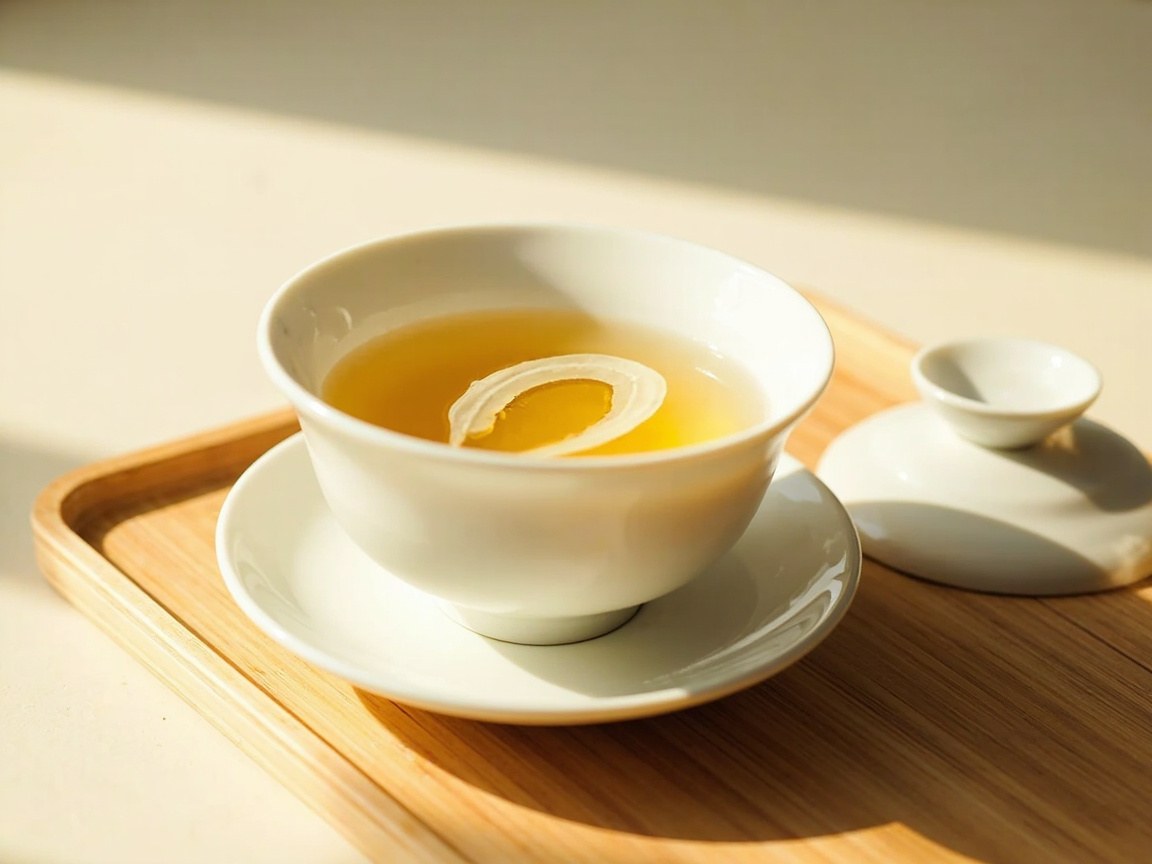
- 3–5 years: the fresh hay softens into deeper honey and dried fruit (dried peach, apricot). The liquor darkens from pale gold to amber.
- 5–10 years: medicinal depth appears alongside the sweetness — notes of ginseng, dark honey, and a faint aged-pu-erh character. Bitterness drops to near zero.
- 10+ years: rare and expensive. The tea becomes almost completely smooth, with complex layered sweetness and thick, syrupy mouthfeel.
Fuding-aged Bai Mu Dan commands $30–60+ per ounce for fifteen-year material. Yunnan-aged, bolder to start, heads toward earthier profiles.
Storage tips for aging
- Airtight, light-proof containers — mylar with oxygen absorber is ideal
- Consistent temperature — avoid fluctuations above 30°C
- Separate from strongly scented teas — Bai Mu Dan absorbs aromas easily
For an affordable introduction to aged Bai Mu Dan, try the Aged 2012 Bai Mu Dan from Fujian ($48.00) or the 2013 Fuding Dragon Pearls ($39.65) — each pearl is a single serving for a gaiwan.
Recommended Bai Mu Dan
Different use cases call for different price points and formats.
Best overall: Taimei Teatime King Grade White Peony ($17.99) — authentic Fuding, organically grown, king-grade material. This is the reference standard for what Bai Mu Dan should taste like.
Best value: Tealyra White Peony ($13.99) — 3.5oz of solid daily-drinker quality. Not as floral as the Taimei, but reliable and priced for regular use.
Bulk buy: Davidson’s White Peony 16oz ($30.76) — for families or anyone who drinks white tea daily. The per-ounce price drops to under $2.
Tea bag intro: Prince of Peace Premium White Peony ($9.66) — 100 tea bags. An affordable introduction to Bai Mu Dan.
Yunnan variant: SANRAN Yunnan Bai Cha ($15.99) — bolder, earthier profile from Yunnan. Try it alongside Fuding material to understand the range.
Premium daily: TIAN HU SHAN Premium Bai Mu Dan ($19.99) — king-grade character in a bulk-friendly 4oz tin from Fuding.
Aged connoisseur: Aged 2012 Bai Mu Dan ($48.00) — proper fourteen-year aged Fujian material with medjool-date depth.
Aged pearls: 2013 Fuding Dragon Pearls ($39.65) — portioned aged pearls, each one a single serving for the gaiwan.
The Mind of Bai Mu Dan
Bai Mu Dan teaches us that the middle path — between bud-only luxury and leaf-only utility — holds its own quiet wisdom. In its honeyed cup we taste the patience of natural withering, the art of knowing when less processing reveals more character. Sip slowly, and let this white peony remind you: refinement is not about exclusivity, but about harmony between what’s kept in and what’s left out.
References
[1] Wikipedia — “Bai Mudan (tea)”. https://en.wikipedia.org/wiki/Bai_Mudan_tea
[2] Mei Leaf — “Bai Mu Dan: Understanding China’s Most Popular White Tea”. https://meileaf.com/tea/bai-mu-dan/
[3] Seven Cups — “Bai Mu Dan White Peony”. https://www.sevencups.com/education/white-tea/bai-mu-dan/