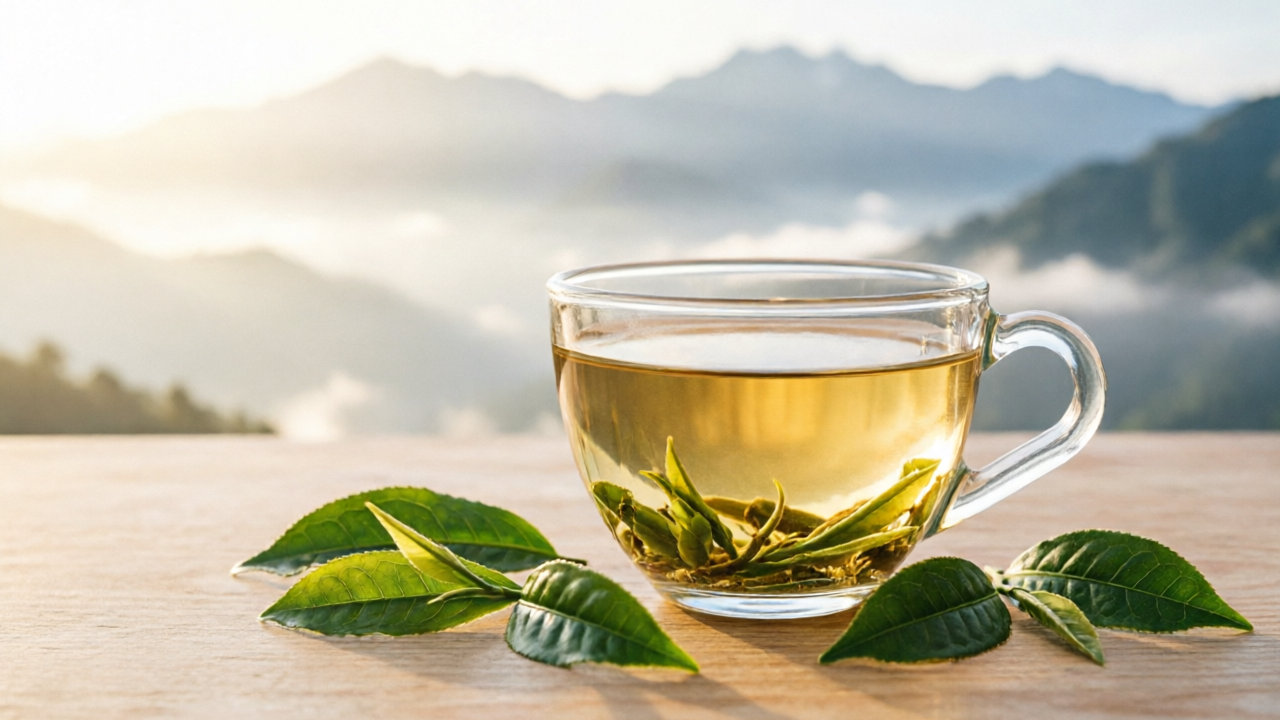
From the Himalayan foothills of West Bengal comes a tea that drinkers call the Champagne of Teas — Darjeeling first flush [1]. Harvested in early spring (March–April), it’s the first growth after winter dormancy, made from tender young leaves that produce a pale golden liquor unlike any other black tea. It’s delicate, floral, and surprisingly light — closer to a high-mountain oolong than a typical black tea like Assam or Keemun.
I find that if you already know Keemun, Darjeeling first flush is its lighter, more floral cousin — both are premium black teas, but first flush trades cocoa richness for bright muscatel elegance. For the universal steeping foundation, see how to brew tea.
What Is Darjeeling First Flush?
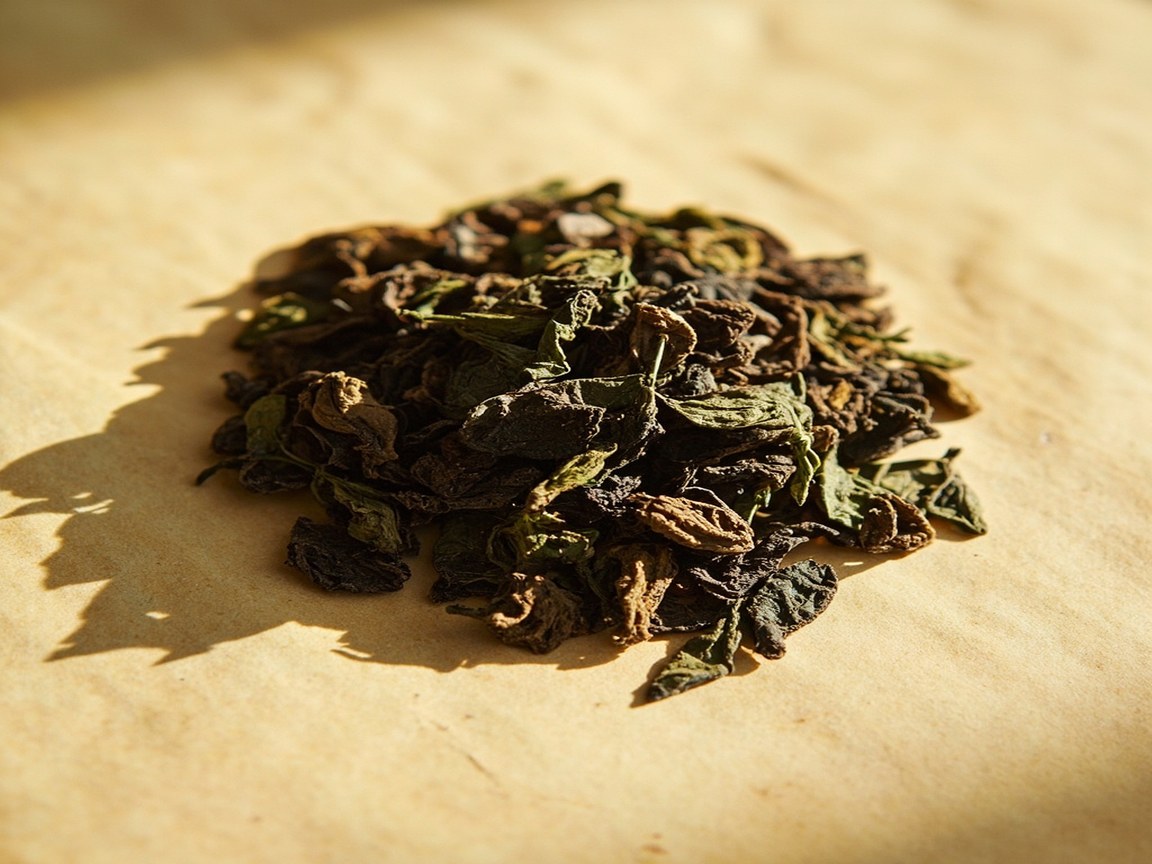
First flush comes from the Darjeeling district in West Bengal, India, where tea gardens sit at 600–2,000 meters in the Himalayan foothills [1]. The cool climate, misty mornings, and well-drained soil create a tea with no equivalent anywhere else.
Three things define first flush:
- Season: Spring harvest (March–April), the first plucking after the plant’s winter dormancy
- Leaf: Young, tender — two leaves and a bud, hand-plucked by experienced pickers
- Oxidation: Light for a black tea — only 12–18 hours, leaving the leaf green-copper in color and the liquor pale gold
The term “Champagne of Teas” isn’t just marketing. Like Champagne, Darjeeling has GI (Geographical Indication) protection — only tea grown and processed in the Darjeeling district can legally carry the name [1]. If a bag says “Darjeeling-style” or “Darjeeling blend,” it’s not the real thing.
For an entry-level taste, try VAHDAM First Flush Darjeeling ($12.99) — direct-sourced from India, aromatic and flowery.
The Darjeeling Flush System
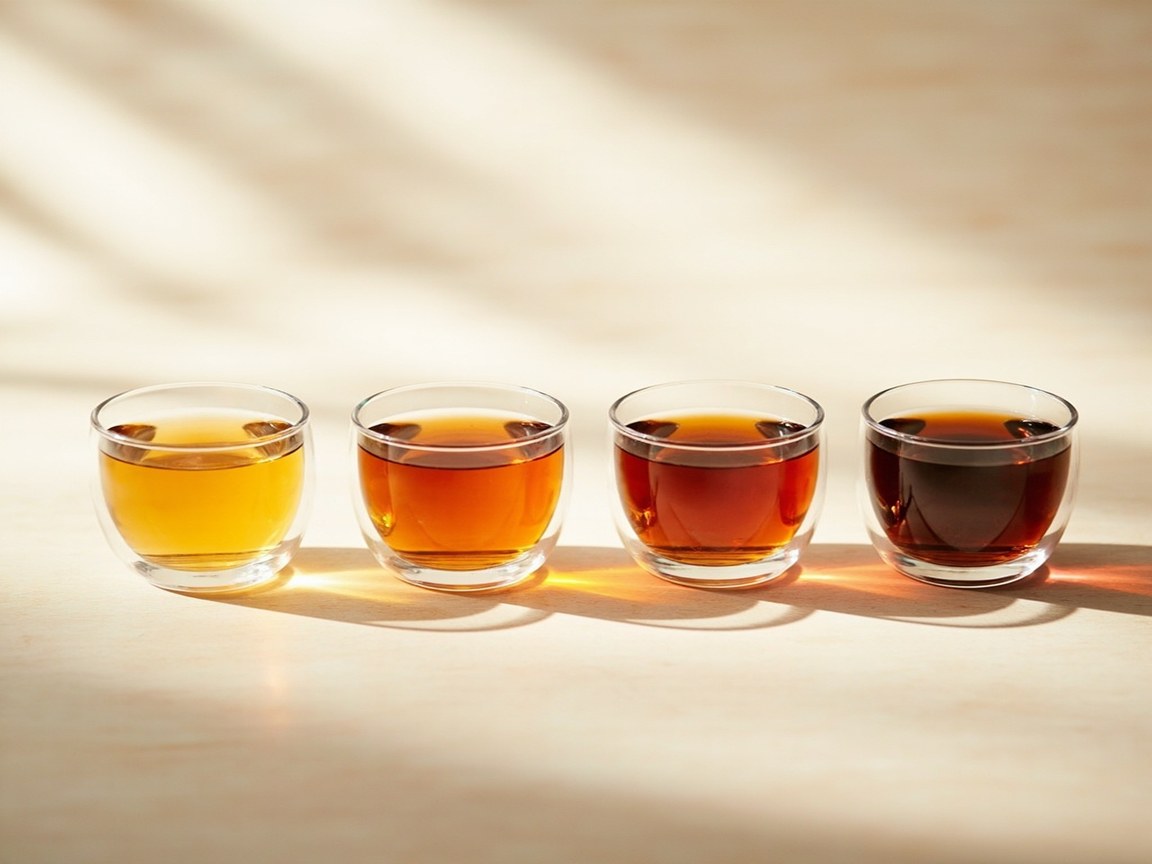
Darjeeling produces four harvests (flushes) per year, each with a distinct character [1]. First flush is the connoisseur’s choice — the smallest yield and the highest price, but also the most complex and delicate flavor profile.
| Flush | Harvest | Flavor | Liquor |
|---|---|---|---|
| First Flush | Mar–Apr | Floral, muscatel, light — like a white tea dressed as black | Pale gold, clear |
| Second Flush | May–Jun | Full-bodied, muscatel-grape, brisk — the classic Darjeeling | Amber-copper |
| Monsoon Flush | Jul–Sep | Strong, earthy, full oxidation — lower grade, tea bag material | Dark brown |
| Autumn Flush | Oct–Nov | Mellow, smooth, gentle — affordable bridge between seasons | Copper |
The muscatel character — that unmistakable grape-like note — comes from the leafhopper insect (Empoasca species). When the insect feeds on the tea leaves, the plant produces terpenes as a defense response, creating aroma compounds that read as muscat grape on the palate [1]. Second flush has more pronounced muscatel because higher summer temperatures increase leafhopper activity.
First flush stands apart because it captures the season’s first expression: the nutrients stored in the roots over winter translate into a cup that tastes of jasmine, orchid, green stem, and a whisper of muscatel — all on a frame so light it can be mistaken for a white tea [1].
Flavor Profile — What to Expect
If you’ve only tasted second flush Darjeeling (the darker, more common version in tea shops), first flush will surprise you. It’s closer in spirit to a Matcha in its attention to harvest timing and processing delicacy, though the leaf and brewing could not be more different [1].
- Aroma: Fresh flowers — jasmine and orchid — with young green notes and a faint muscatel grape undertone
- Taste: Delicate floral sweetness, light astringency on the tip of the tongue, a clean mineral finish that lingers
- Liquor: Pale gold to light copper — it looks more like a Bai Mu Dan white tea than a black tea
- Body: Light to medium-light — much lighter than Assam or Keemun. The closest comparison is a high-mountain oolong in delicacy, but with black tea’s brisk finish
Why does first flush taste so different from other black teas? Three reasons [1]:
- Young leaves — only the top two leaves and a bud, harvested before they develop the tougher cell walls and higher tannin levels of mature leaves
- Winter nutrient storage — the plant has rested for three months, concentrating amino acids and sugars in the new growth
- Gentle processing — shorter withering and oxidation preserve more of the leaf’s natural floral compounds instead of converting them into darker, maltier notes
For reference, Keemun is fully oxidized with an orchid-cocoa profile; Darjeeling first flush is lightly oxidized with a floral-muscatel profile. Both are premium black teas, but they occupy opposite ends of the black tea spectrum.
How First Flush Darjeeling Is Made
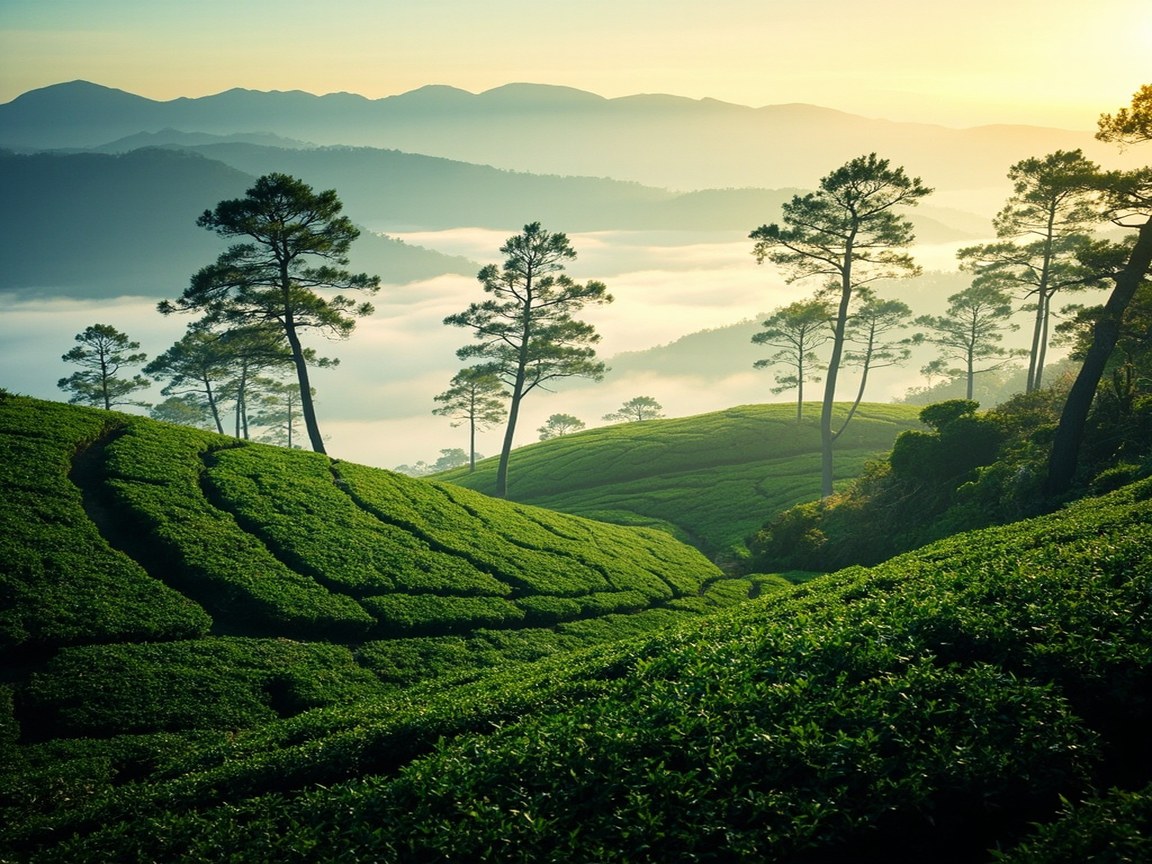
First flush processing is shorter and gentler than other black teas — the goal is to preserve the leaf’s spring character, not to develop deep oxidation [1].
Harvest: Two leaves and a bud, hand-plucked in March–April. Most Darjeeling gardens still sort by hand to remove damaged leaves.
Withering: 12–18 hours with cool air circulating, removing about 50% of leaf moisture. The leaves stay greener than typical black tea withering.
Rolling: Gentle rolling to break cell walls and start oxidation — lighter pressure than for Assam or Keemun to avoid bruising tender spring leaves.
Oxidation: 12–18 hours — roughly half the time of a full-oxidation black tea (24–48 hours for Assam). This is the critical difference: first flush stops oxidation while the leaf is still partly green, preserving floral aromatics.
Firing: Hot air at 120–130 °C stops oxidation and reduces moisture to 2–3%. The short firing locks in the green-copper color and golden liquor.
Grading: The highest grade is SFTGFOP1 (Super Fine Tippy Golden Flowery Orange Pekoe 1). “Flowery” means leaf tips (buds); “Tippy” means a high proportion of silver-gold tips.
First flush is more labor-intensive than other flushes: the seasonal window is narrow (4–6 weeks), yield per plant is lower, and hand-sorting is standard. That’s why a 100g tin can cost $16–20 while the same estate’s autumn flush runs $8–12 [1].
For a mid-tier option, The Tao of Tea First Flush Darjeeling ($16.00, 3.5oz tin) captures balanced muscatel notes in a gift-ready tin.
Authentic Darjeeling — GI Tags and How to Identify Quality
The Darjeeling name is legally protected, but fakes and blends still appear on shelves [1]. Here’s how to confirm you’re buying genuine first flush:
Look for the GI certification logo — the Darjeeling Tea Board issues a certification mark that appears on authentic packages. You can also verify the license number at darjeelingtea.teaboard.gov.in [2].
Understand grade codes: TGFOP, FTGFOP, SFTGFOP1 — but first flush sometimes skips the “Flowery” label because the leaves haven’t developed the full tip count yet. Don’t equate a less elaborate grade code with lower quality; an ungraded single-estate first flush can outperform a kitchen-sink SFTGFOP1 blend.
Visual inspection of dry leaf [1]:
- Real first flush: green-copper leaf with silvery tips, uniform whole leaf, intact
- Red flags: broken leaves (fannings or dust), dark brown color, no GI mark, labels like “Darjeeling blend” or “Darjeeling-style”
Single-estate vs blend: Single-estate Darjeeling lists the garden name (e.g., Makaibari, Castleton, Jungpana). Blended Darjeeling mixes multiple estates for consistency — fine for daily drinking, but you lose the distinct character of a specific hillside.
Makaibari Himalayan Spring First Flush Darjeeling ($18.99, 100g) is USDA organic from the world’s oldest biodynamic tea garden — every tin lists the estate and harvest date, so you know exactly what you’re getting.
How to Brew First Flush Darjeeling
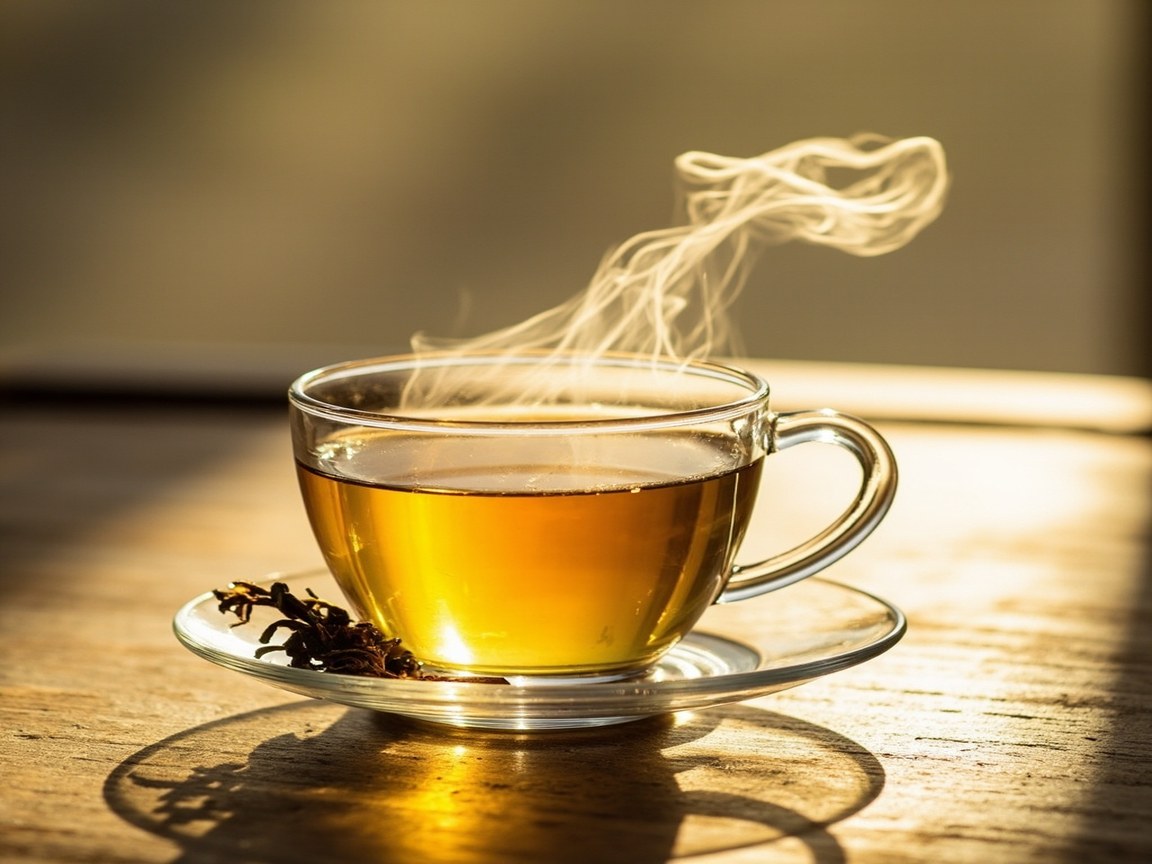
Brewing first flush is where most people make a mistake: they use boiling water and destroy everything delicate [1].
The critical rule
Never use boiling water (100 °C) — it scorches the tender spring leaves, extracts bitter tannins, and flattens floral-muscatel notes. The ideal range is 85–88 °C (185–190 °F). Let your boiled kettle rest 2–3 minutes before pouring.
Western method
| Parameter | Value |
|---|---|
| Water temp | 85–88 °C (185–190 °F) |
| Leaf ratio | 1 tsp (2–3g) per 200ml cup |
| Steep time | 2–3 minutes for first infusion |
| Re-steeping | 1–2 additional infusions, add 30s each |
| Vessel | Glass or porcelain — never unglazed clay (too much flavor absorption) |
A borosilicate glass teapot like the Cristel Darjeeling Collection ($89.99) is ideal — clear glass lets you watch the liquor develop, and the stainless steel infuser won’t absorb delicate flavors.
Gongfu method
| Parameter | Value |
|---|---|
| Water temp | 85–88 °C |
| Leaf ratio | 4–5g per 100ml gaiwan |
| Steep time | 15–20 seconds first infusion, +5s per round |
| Yields | 5–8 infusions |
| Vessel | Porcelain gaiwan or glass gongfu set |
For a single-estate first flush that shines in gongfu brewing, Adanim Bio Organic First Flush Darjeeling 100g ($14.99) delivers a light color, mild astringency, and classic muscatel across multiple infusions - about 50 cups per bag.
For more detailed black tea brewing parameters, see the how to brew black tea guide.
How to Choose the Best First Flush Darjeeling
First flush prices range from $10 to $40, and the difference is real — not just packaging markup. Here’s a breakdown by budget and use case [1].
| Criteria | Budget | Mid-Range | Premium |
|---|---|---|---|
| Occasion | Daily morning | Afternoon tea | Gift / connoisseur |
| Flavor | Mild floral | Balanced muscatel | Complex, multi-layered |
| Quantity | 4–16 oz bag | 3.5–5 oz tin | Single-estate 100g |
| Budget | $9–12 | $12–20 | $20–40 |
Budget ($9–12): Harney & Sons 4oz Tin ($9.99) — smooth and floral for daily drinking. Taylors of Harrogate ($11.80) — classic English afternoon profile.
Mid-range ($12–20): Harney & Sons 8oz ($16.00) — smooth floral for regular drinkers. Davidson’s Organics 16oz ($19.12) — certified organic bulk.
Premium ($25–40): VAHDAM 340g Bulk ($39.99) — over 170 cups, vacuum-sealed, best value per cup at the premium tier.
For caffeine-conscious drinkers, see the caffeine by tea type guide to compare Darjeeling’s 30–60 mg per cup against other teas [3][4].
Pairing & Food
First flush Darjeeling’s light floral character pairs best with foods that don’t compete with its delicacy [1]:
- Light pastries: Scones with clotted cream, madeleines, shortbread
- Fresh fruit: Peach, apricot, green apple — the fruit acidity bridges to the tea’s muscatel notes
- Cheese: Cottage cheese, fresh chèvre, mild brie — nothing aged or pungent
- Salads: Light citrus vinaigrette, goat cheese, candied pecans
Avoid: spicy food (curries, chili), heavy cream sauces, and dark chocolate — all overwhelm the first flush’s subtle floral character.
The Mind of Darjeeling First Flush
First flush Darjeeling is the tea world’s annual reminder that patience rewards the palate. Each spring harvest captures a fleeting moment — winter’s rest turning into spring’s first growth, the mountainside waking after months of dormancy. Every cup is an invitation to slow down and taste a season unfold. Sip slowly. Think deeply. Live mindfully.
References
[1] Wikipedia contributors. Darjeeling tea. Wikipedia. https://en.wikipedia.org/wiki/Darjeeling_tea — geographic origin in Darjeeling district (West Bengal), flush system (first/second/monsoon/autumn harvests), GI protection and Tea Board certification, muscatel flavor from leafhopper terpene development, grades (SFTGFOP1), processing stages, and sensory descriptors for first flush.
[2] Tea Board of India. Darjeeling Tea — GI Certification. https://www.teaboard.gov.in/ — authentication and certification mark verification process for authentic Darjeeling tea.
[3] USDA FoodData Central. Beverages, tea, brewed. https://fdc.nal.usda.gov/ — caffeine ranges for brewed tea (30–60 mg per 8 oz cup for lightly oxidized black tea); extraction influenced by temperature, leaf weight, and steeping time.
[4] TeaWithMind. Caffeine by Tea Type. /wellness/caffeine-by-tea-type/ — black tea caffeine band comparison; ranges vary by processing and brewing parameters. Cross-check public nutrient databases for compound identity, not personal limits.