Sheng puerh is Yunnan’s raw pu-erh — sun-dried, compressed, and alive. Unlike any other tea, it keeps transforming for decades. Young sheng is bright and astringent; aged sheng is smooth and layered with dried fruit, wood, and camphor notes. This guide covers origin, compression forms, aging milestones, mountain terroir, gongfu brewing, and how to choose your first cake.
What Is Sheng Puerh?
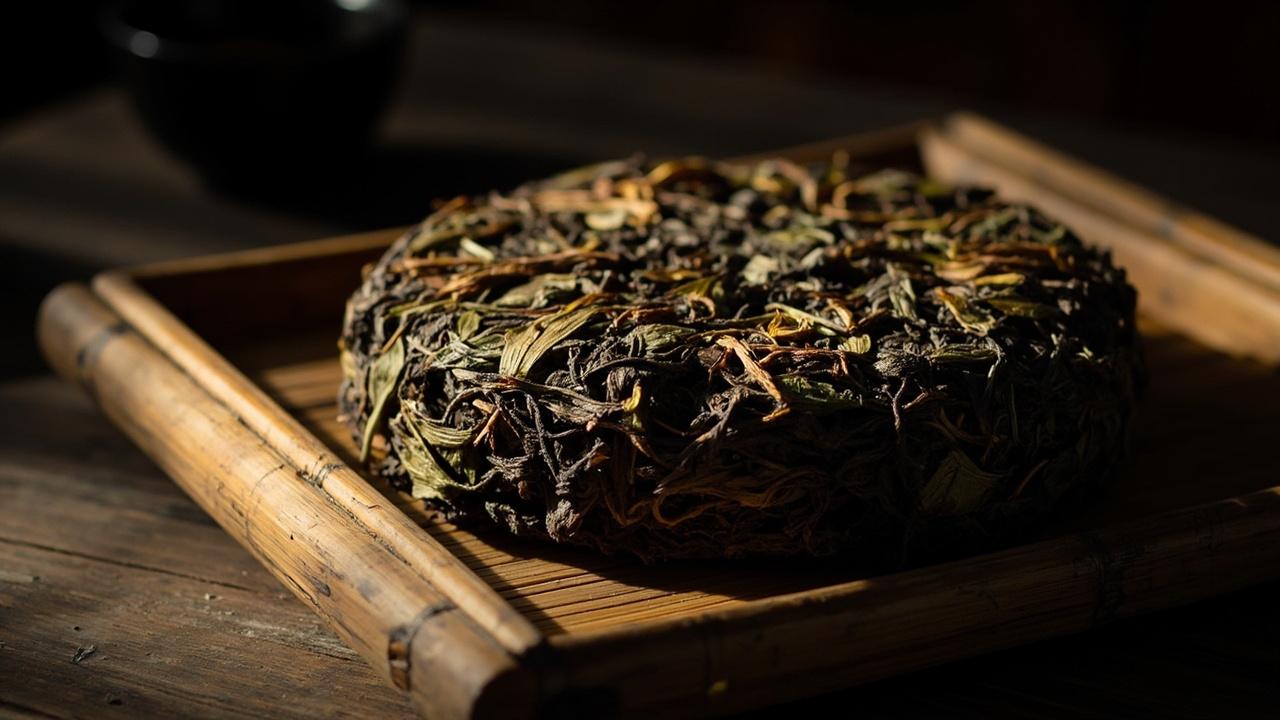
Sheng puerh (生普, “raw pu-erh”) is a dark tea from Yunnan province in southwestern China, made from the Dayeh broad-leaf varietal (Camellia sinensis var. assamica) [1]. The leaves are larger and thicker than those used for green or black tea, which gives sheng its distinctive body and aging potential.
The processing sets sheng apart from every other tea category. After harvest, the leaves go through shaqing (kill-green) — a brief firing or steaming that halts enzymatic oxidation. Then comes the key step: sun-drying, not pan-firing or oven-drying. Sun-drying leaves residual moisture and active microbes in the leaf, which is what allows sheng to age and change over time [1].
Once dried, the leaves are compressed into solid shapes — round cakes, bowls, or bricks — traditionally for transport along the Ancient Tea Horse Road, the trade network that carried tea from Yunnan to Tibet and beyond [1]. Compressed sheng is literally “living tea”: microbial and enzymatic activity continues inside the cake for decades, slowly converting bitter compounds into sweeter, more complex ones.
Sheng vs Shou — The Two Puerh Paths
All pu-erh starts as sheng. In the 1970s, the Menghai Tea Factory developed a technique called wo-dui (渥堆, “wet piling”) — an accelerated fermentation process that mimics decades of natural aging in a matter of months [1]. The result is shou (熟, “ripe”) puerh: dark, earthy, and drinkable immediately.
Sheng (生, “raw”) takes the long path. No wo-dui. The tea ages naturally, starting bright and astringent when young and gradually becoming mellow and complex over years or decades [1].
Which should you try first? If you want immediate dark, earthy flavor with no waiting — start with shou. If you enjoy astringency, appreciate how a tea changes over time, and want to experience that transformation yourself — start with sheng. Many drinkers end up exploring both. A SANRAN raw pu-erh cake ($16.99) is an affordable entry point into the raw side.
Compression Forms — Bing, Tuo, Zhuan
Sheng puerh comes in three traditional compression shapes. Each affects how the tea ages and how you use it [1].
Bing (饼, cake/disc) — The round, flat disc is the most common form, traditionally 357g. The standard size dates back to the qizi bing (七子饼, “seven-son cake”) — seven cakes bundled together for trade along the Tea Horse Road. Bing are easy to pry leaves from and age at a moderate rate. A FullChea Menghai 357g raw cake ($14.99) is the classic starting bing.
Tuo (沱, bowl/nest) — A smaller, bowl-shaped compression, typically 100–250g. Compact and good for sampling different mountains or recipes without committing to a full 357g cake.
Zhuan (砖, brick) — A rectangular brick, usually 200–500g. Densest compression means the slowest aging. Bricks are the most economical per gram if you plan to drink rather than collect.
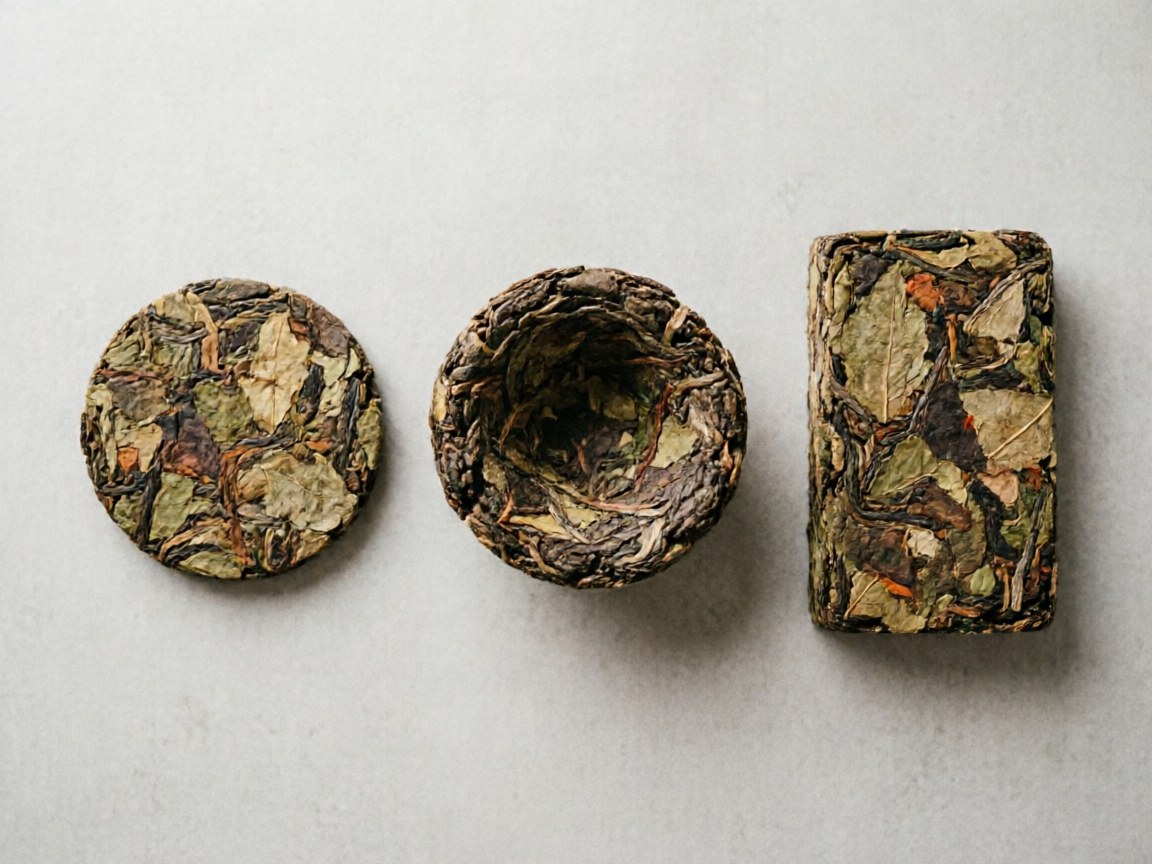
None of the top-ranking sheng guides online compare these three forms — they just name them. Here’s the practical takeaway: bing for aging collections, tuo for tasting variety, zhuan for budget bulk.
How Aging Transforms Sheng
Aging is where sheng puerh becomes a different tea from anything else you’ll drink. The flavor doesn’t just fade or go stale — it fundamentally transforms [1].
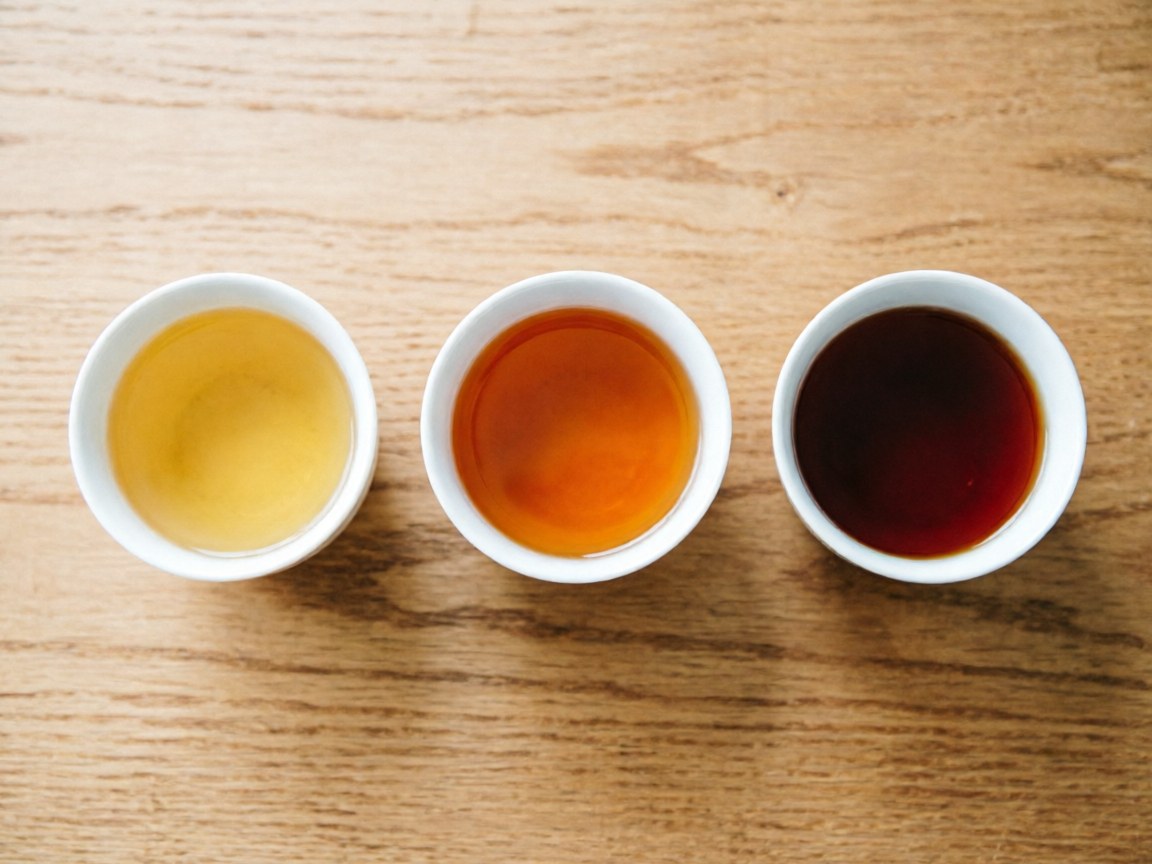
| Age | Liquor color | Flavor profile | What to expect |
|---|---|---|---|
| 1–3 years | Pale gold | Bright, astringent, fruity/vegetal | A wake-up cup — sharp but lively |
| 3–5 years | Golden-amber | Astringency softens, sweetness emerges | More approachable, honey hints |
| 5–10 years | Amber | Kuwei (pleasant bitterness), dried fruit | Complexity builds, huigan develops |
| 10–15 years | Deep amber | Dates, wood, camphor, rich sweetness | Mature, layered, smooth |
| 15+ years | Dark amber/reddish | Deep, multi-layered, prized depth | Collector territory |
There’s no single “drinkable age.” Young sheng can be harsh, but it’s also electric and alive. Aged sheng is smoother and more complex, but the price climbs steeply. Many drinkers keep both — something young for daily brewing and something older for special sessions.
If you want to taste this progression yourself, try three tiers side by side: a 2021 LWXLJMJZC mini-cake ($9.99) for young brightness, a Naslaph organic ancient tree cake ($25.99) for fuller ancient-tree character, and an LWXLJMJZC 2010 vintage cake ($26.99) for 15-year mature depth.
Yunnan Mountain Terroir
Sheng puerh is defined by where the leaves grow. Yunnan’s tea mountains — primarily in Xishuangbanna, Lincang, and Pu’er prefectures — each produce distinct flavor profiles [1]. The top-ranking sheng guides online don’t break down specific mountains. Here’s what matters:
Lao Ban Zhang (老班章) — Bulang mountains, Xishuangbanna. Known for intense kuwei (pleasant bitterness) and powerful huigan (returning sweetness). Often called the “king of pu-erh.” A sister-terrain alternative, the 2018 Lao Man E ancient tree cake ($45.00), brings Bulang-region character at a more accessible entry point.
Bing Dao (冰岛) — Lincang region. Soft sweetness, honey and floral notes. Premium pricing, smooth and approachable.
Yiwu (易武) — Gentle, fragrant, soft mouthfeel. A favorite for beginners who find Lao Ban Zhang too aggressive.
Bulang (布朗) — Smoky, strong, assertive. Mountain teas with real backbone.
Another distinction: gushu (古树, ancient tree) vs plantation tea. Ancient trees — some centuries old — send deeper roots into mineral-rich soil, producing leaves with more complex chemistry and greater aging potential [1]. An Alisaouse 357g ancient tree cake ($17.36) is an affordable way into the gushu category.
How to Brew Sheng Puerh — Gongfu Method
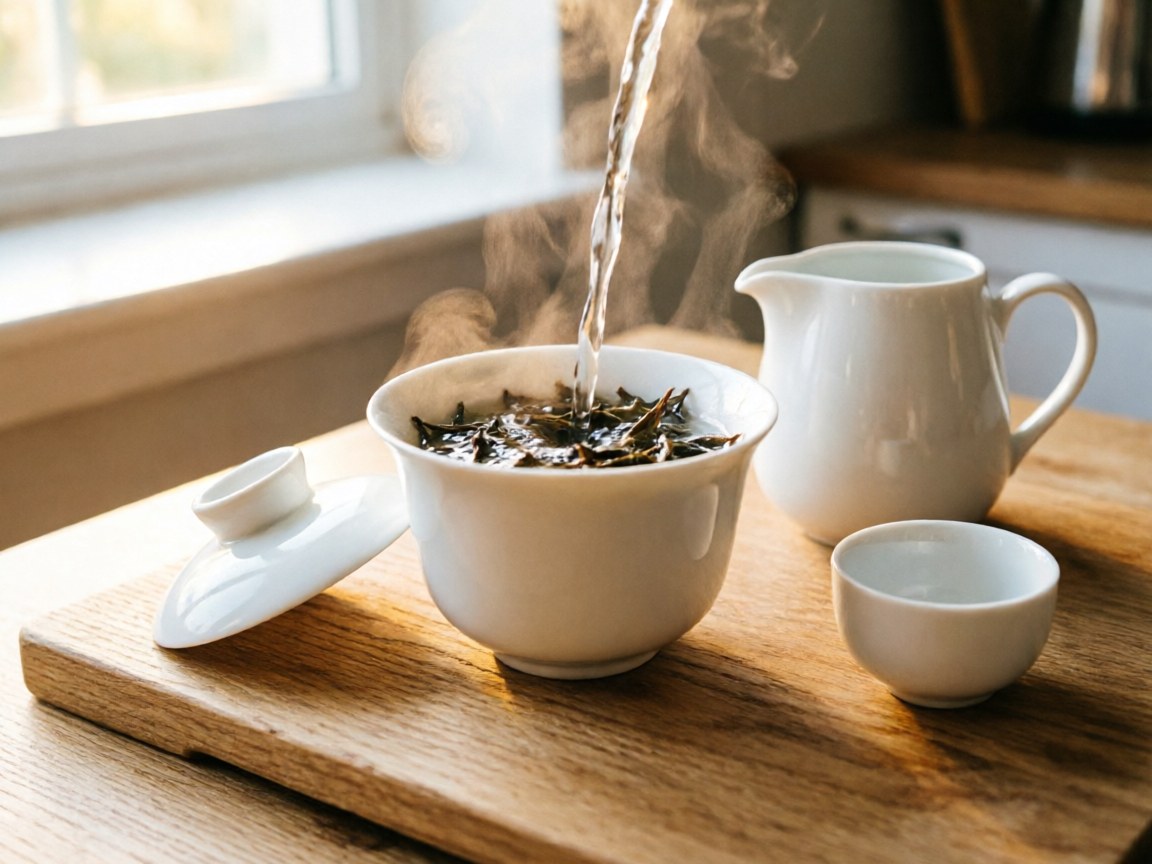
Sheng puerh rewards gongfu brewing: multiple short steeps that reveal how the tea changes from cup to cup. You can get 8–15 infusions from a single session [1]. For the full rinse-and-wake protocol and the steep-by-steep chart, see our puerh brewing guide.
Setup
Use a 150ml porcelain gaiwan — see our gaiwan choosing guide if you don’t have one. For aged sheng (10+ years), an Yixing clay pot works beautifully (how to choose a Yixing pot). The brewing ratio tool helps you scale up or down.
Parameters
| Sheng age | Leaf | Water temp | Rinse | Steep time | Infusions |
|---|---|---|---|---|---|
| Young (1–5 yr) | 5g / 150ml | 195°F (90°C) | 10s boiling | 10–15s, +5s each | 8–10 |
| Aged (10+ yr) | 5g / 150ml | 212°F (100°C) | 10s boiling | 15–20s, +5s each | 10–15 |
Steps
- Pry and weigh — Break off about 5g of leaf from the cake using a tea pick.
- Rinse — Pour boiling water over the leaves, wait 10 seconds, discard. This awakens compressed leaves and removes surface dust.
- First steep — Pour water at the right temperature (195°F for young, 212°F for aged). Flash-steep 10–15 seconds. Pour completely into a fairness pitcher.
- Progress — Add 5 seconds per steep. Notice how the flavor shifts — bright and fruity early, deeper and sweeter as you go.
- Keep going — Don’t stop at 3 steeps. The 6th or 8th infusion often reveals the tea’s sweetest, most settled character.
For a general brewing foundation beyond puerh, see how to brew tea. The steeping time reference covers timing across tea types.
A Junn Shenn organic raw cake ($14.99) is a clean, forgiving leaf to practice your gongfu rhythm on.
Home Storage for Aging
If you buy sheng to age — even casually — storage conditions determine whether your cake improves or degrades [1].
- Temperature: 60–80°F (15–27°C), kept stable. Rapid swings stall the aging process.
- Humidity: 50–70%. Too dry and aging slows to a crawl; too wet and mold becomes a real risk.
- Airflow: Some circulation is needed. Avoid airtight plastic — the original porous paper wrapper is ideal.
- Isolation: Keep away from sunlight, heat sources, and strong odors. Spices, soap, and kitchen fumes will seep into the tea over time.
You don’t need a dedicated pumidor (humidity-controlled cabinet) to start. A cool, dry closet away from the kitchen works fine for a few cakes. The biggest mistake beginners make is sealing sheng in plastic — that cuts off the air exchange the tea needs to age at all.
Choosing Your First Sheng Cake
Three paths, depending on budget and what you want to learn:
Budget path ($10–18) — Taste the category without much investment. The LWXLJMJZC 2021 mini-cake ($9.99) is a small tasting size. The FullChea 357g Menghai ($14.99) gives you a full standard bing for both drinking and aging experiments. The SANRAN entry cake ($16.99) and Junn Shenn organic ($14.99) round out the affordable end.
Mid path ($24–26) — Learn classic recipes and step up in leaf material. The TAETEA Dayi 7542 ($23.99) is the benchmark sheng blend — the recipe serious drinkers use to calibrate their palate. The Naslaph organic ancient tree cake ($25.99) brings ancient-tree depth with aging potential.
Premium path ($26–45) — Explore terroir and vintage depth. The 2018 Lao Man E ancient tree ($45.00) brings Bulang-region character from a sister mountain to Lao Ban Zhang. The LWXLJMJZC 2010 vintage ($26.99) is a 15-year aged cake for experiencing mature kuwei transition. The Alisaouse ancient tree ($17.36) bridges budget and gushu territory.
If you’re buying one cake to start, go with the FullChea 357g — it’s a standard bing at a fair price, drinkable now and worth cellaring to see how it changes.
Related Varieties
Sheng puerh is one branch of the tea family. These sister varieties on Tea with Mind each offer a different experience:
- Tieguanyin — Anxi rolled oolong with orchid aroma and gongfu depth
- Matcha — Japan’s stone-ground green, a completely different form
- Longjing — China’s pan-fired Dragon Well, the most famous green tea
- Da Hong Pao — Wuyi rock oolong with roasted mineral depth
- Keemun — Qimen black tea with cocoa and orchid notes
- Silver Needle — China’s bud-only white tea, gentle and sweet
- Biluochun — Spring green tea with spiral leaves and floral fragrance
The Mind of Sheng Puerh
Sheng puerh is alive — it changes year by year, cup by cup, teaching patience. Each compression form — bing, tuo, zhuan — is a different conversation with time. Brew it gongfu-style: rinse first, pour fast, and notice how the tenth steep differs from the first. This is a tea that asks you to slow down, taste deeply, and trust that astringence becomes sweetness if you wait.
References
[1] Wikipedia contributors. Pu-erh tea. https://en.wikipedia.org/wiki/Pu-erh_tea — origin (Yunnan), Dayeh broad-leaf varietal, shaqing and sun-drying process, compression forms (bing/tuo/zhuan), sheng vs shou distinction, wo-dui accelerated fermentation (1970s Menghai), aging chemistry, mountain terroir, gushu vs plantation, and gongfu brewing parameters.